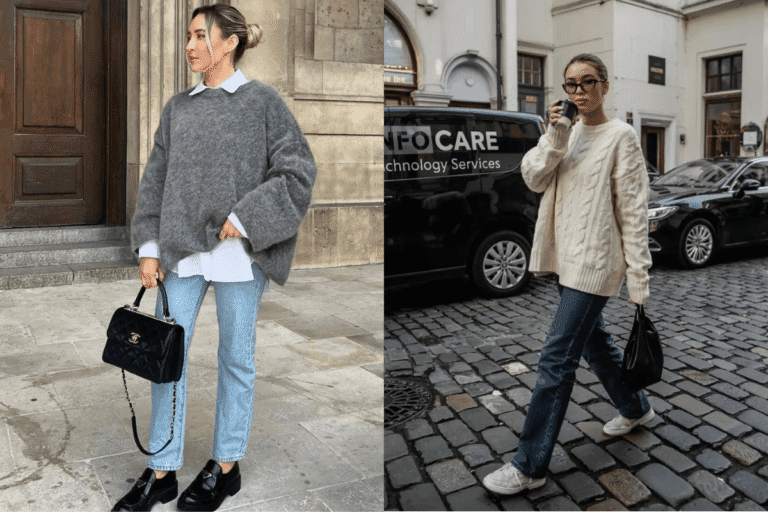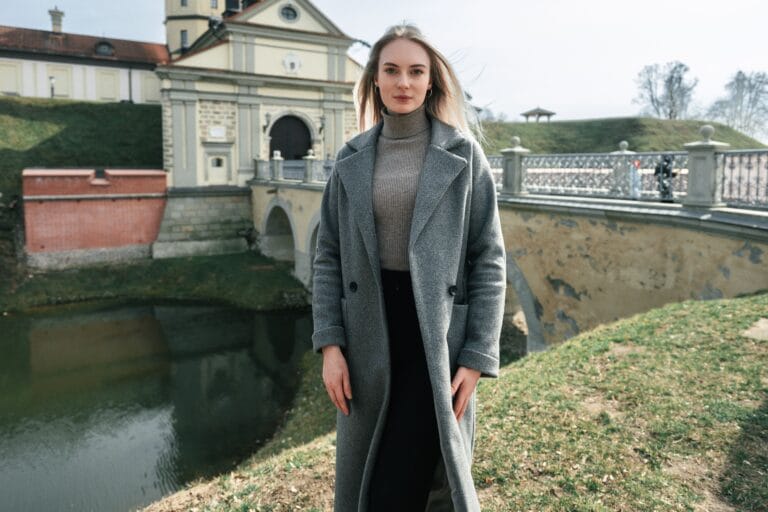
How to Build the Perfect Fall Wardrobe: The Complete Autumn Style Guide
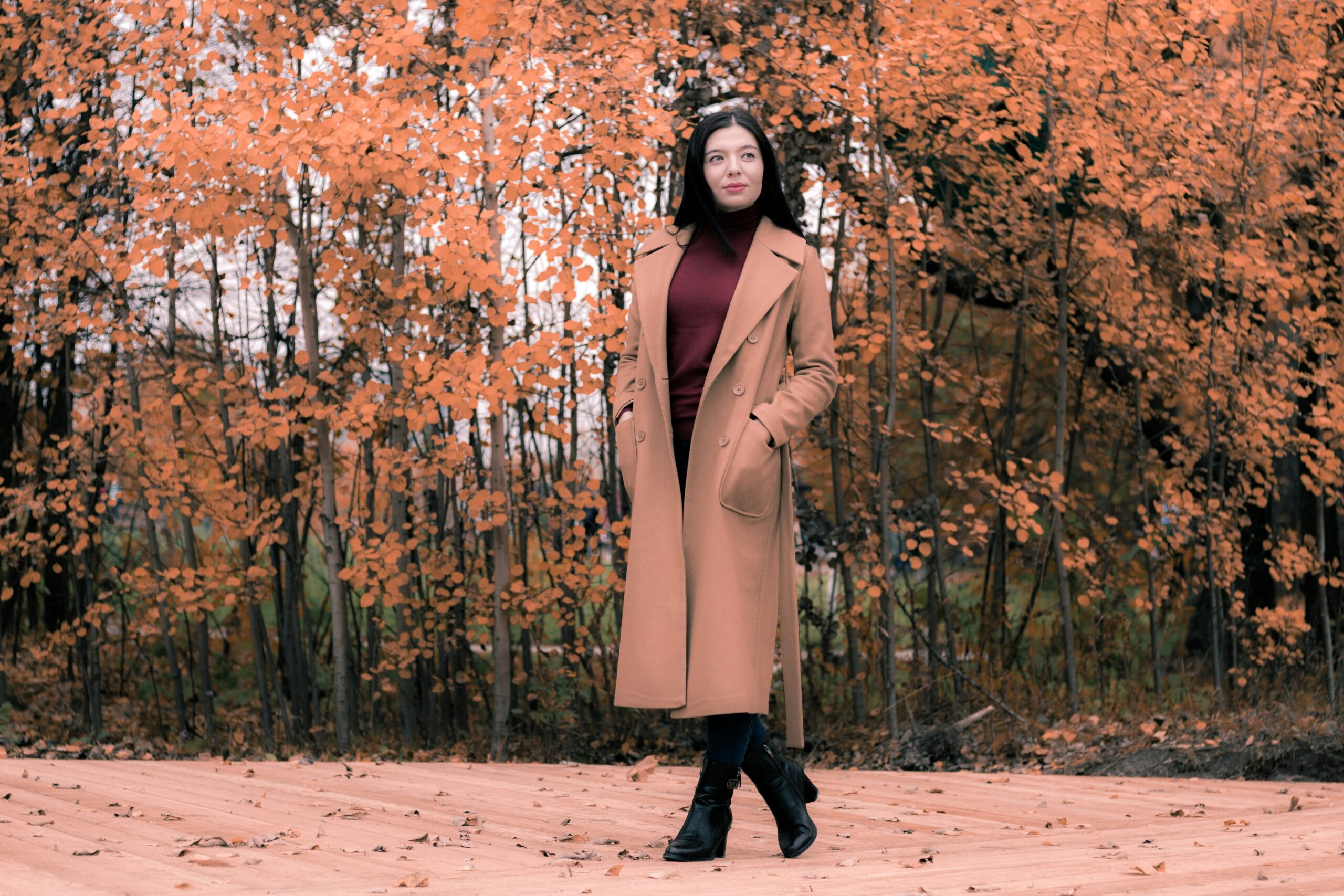
You don’t need to spend thousands of dollars on a brand-new wardrobe when fall arrives.
You already have clothes sitting in your closet that can easily work for autumn. The secret is knowing how to transition what you already own into fall outfits that look seasonal and styled.
Let me show you exactly how to build a fall wardrobe the smart way using pieces you probably already have.
Understanding the Fall Color Palette: What Colors to Wear This Fall Season
The easiest way to make your outfits look like fall is by changing the colors you’re wearing. You just need to swap in warmer shades that match the season.
Your fall color palette breaks down into three distinct categories, and once you understand how they work, putting together fall outfits becomes so much easier.
Earth Tones: Your Neutral Base for Fall Fashion
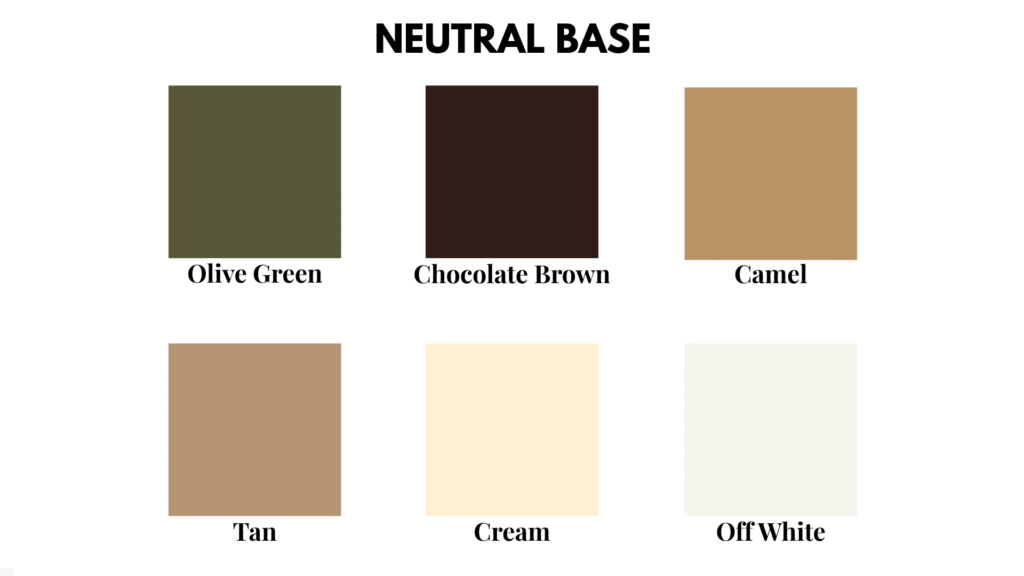
Earth tones are the foundation of every fall wardrobe.
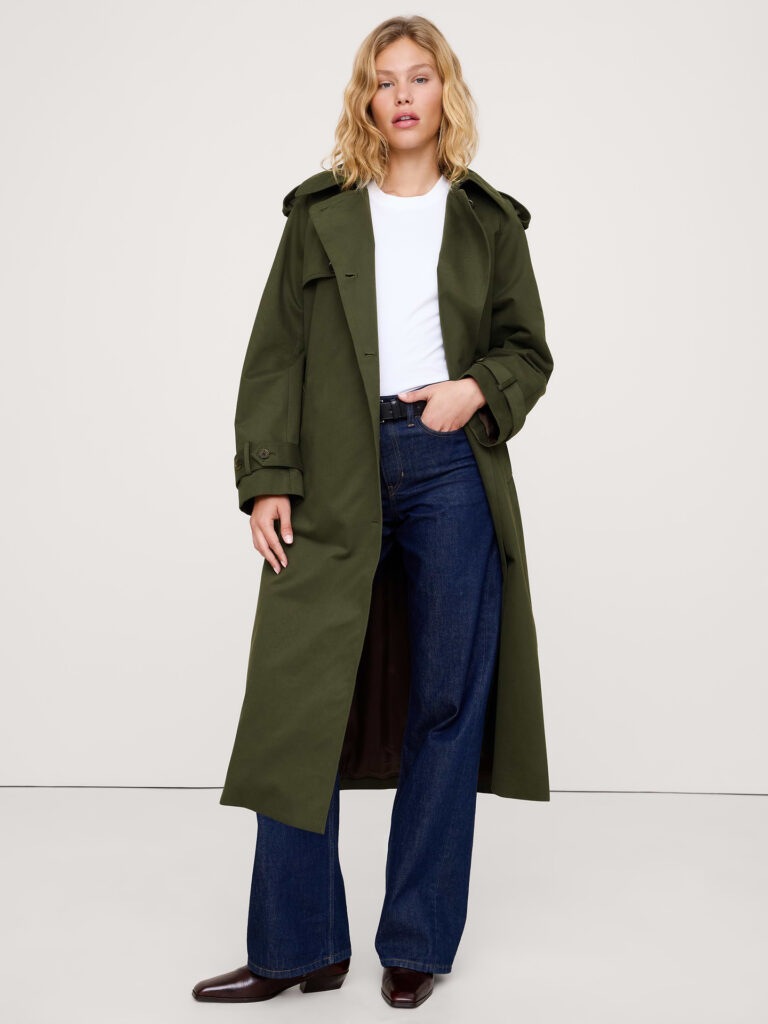
- Olive green
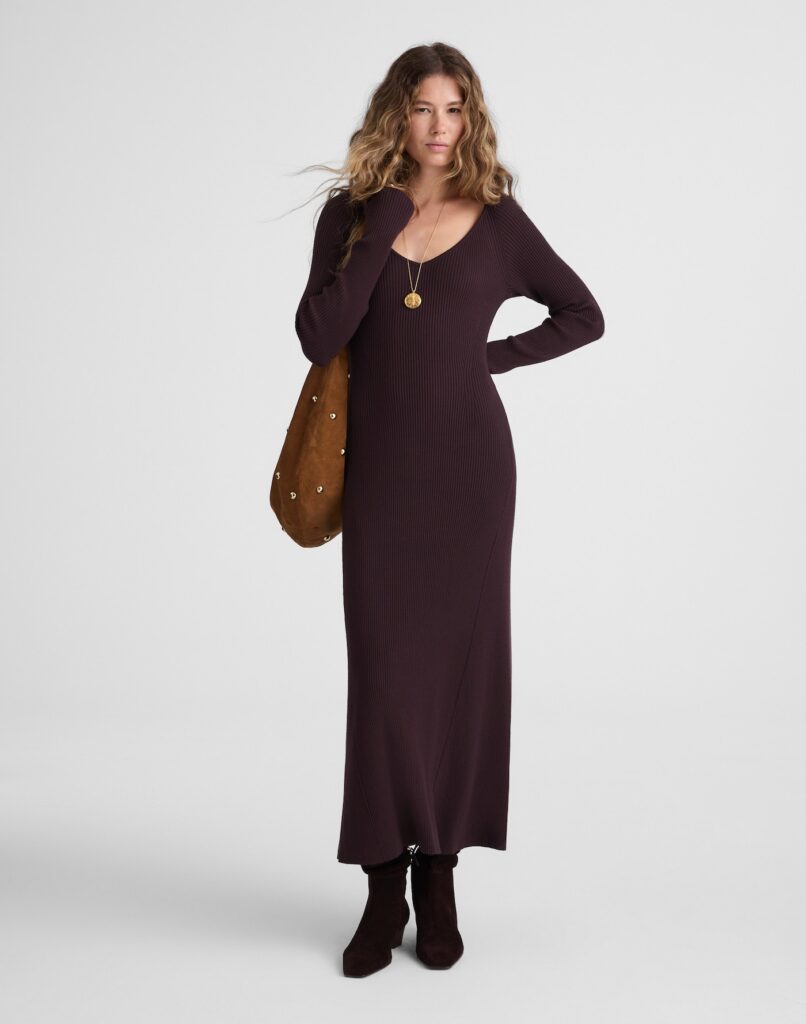
- Rich chocolate brown
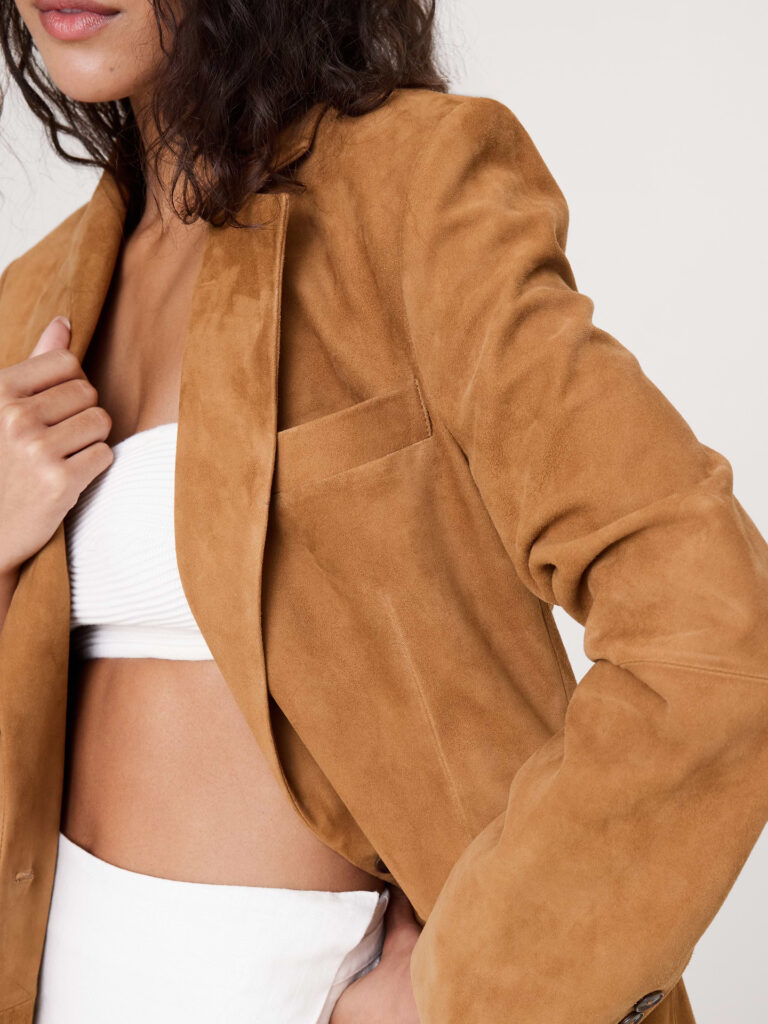
- Camel
- Tan
- Cream
- Off-white
These are the colors you’ll wear the most because they go with almost everything already sitting in your closet. They’re easy to style, and they don’t have that bright, summery feel.
One of the reasons I love earth tones is that they just feel right for the season. They reflect the changing colors you see outside, so your outfits naturally feel more like fall without you having to think too much about it.
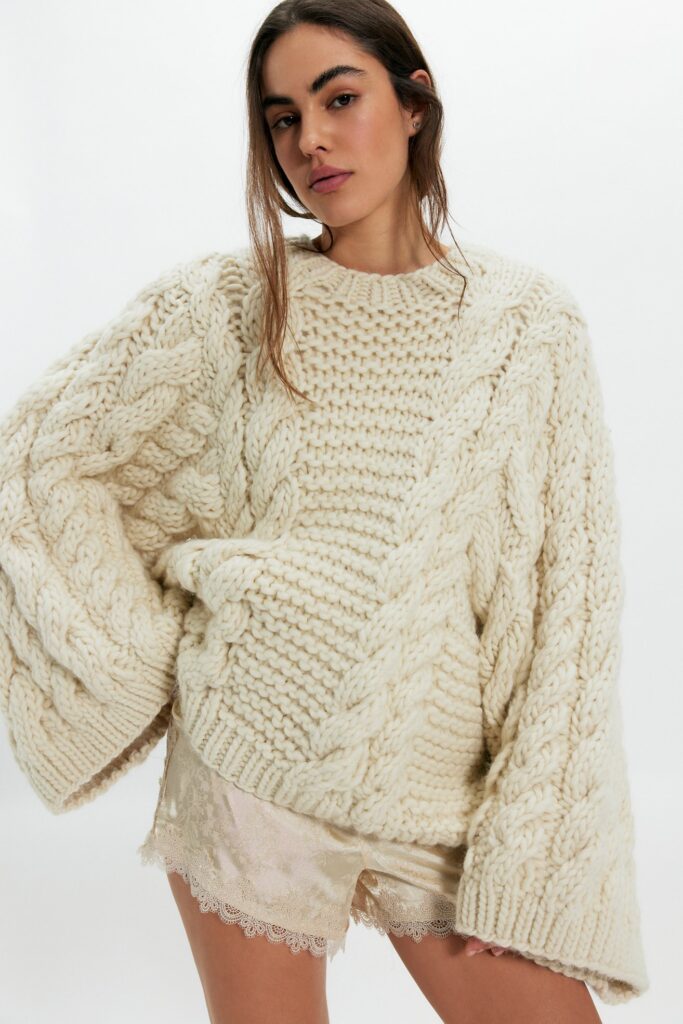
A camel sweater, chocolate brown coat, or a pair of olive pants instantly feels like it belongs this time of year.
Jewel Tones: Statement Colors for Your Fall Wardrobe
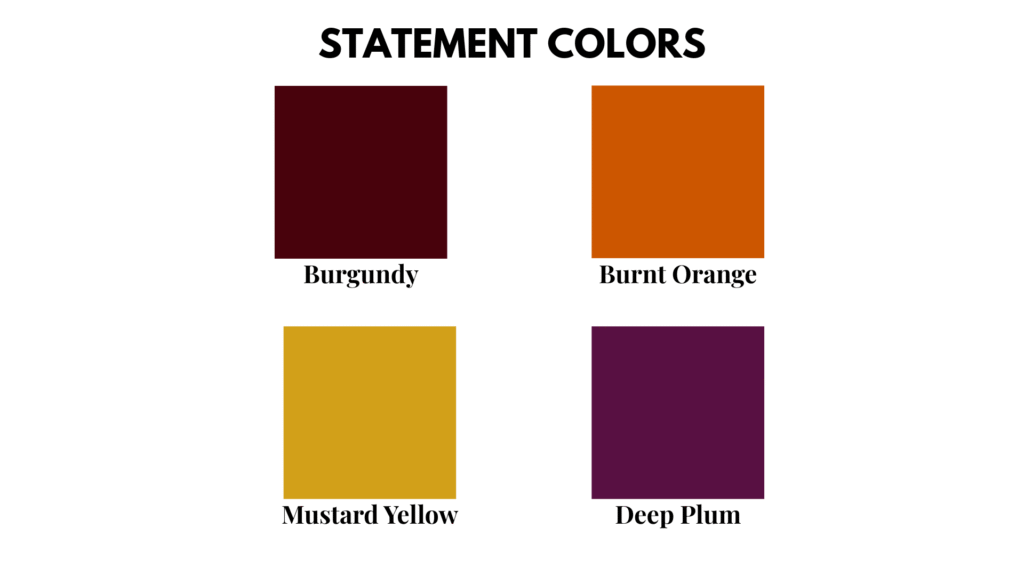
Once you’ve got your foundation, this is where jewel tones come in:
- Burgundy
- Burnt orange
- Mustard yellow
- Deep plum
These fall colors are what bring personality to your fall outfits. They add color and interest without being loud or overwhelming. They’re the shades that make someone look at your outfit and think, “That looks really good,” even if they can’t quite explain why.
The trick with jewel tones is choosing colors that are rich instead of bright. They’re not neon, and they’re not the same bold shades you’d wear during summer. They have a softer, deeper look that adds interest without taking over your outfit.
Core Neutrals: Anchoring Your Fall Outfits
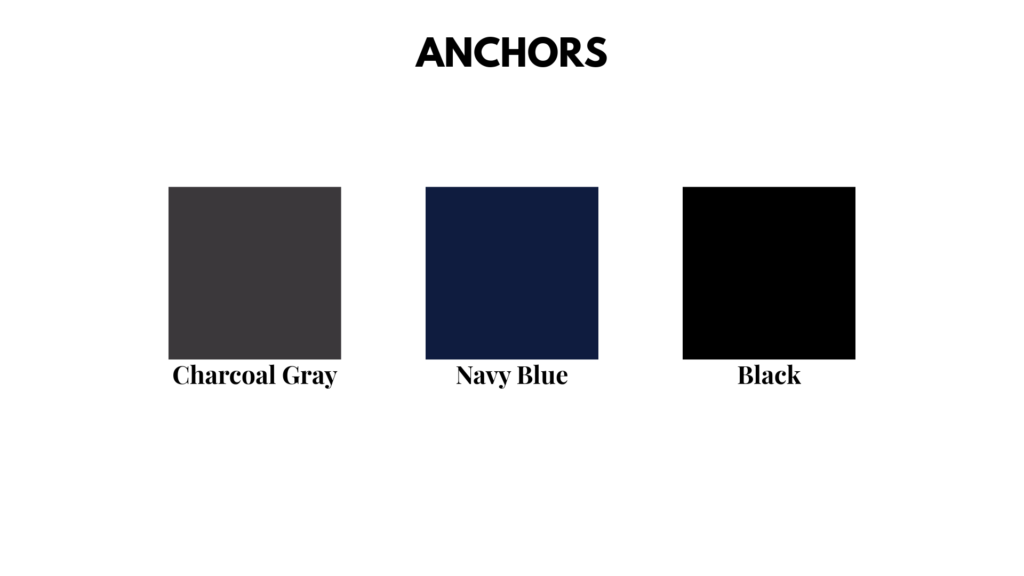
Think of these as the colors that pull everything together.
- Charcoal gray
- Navy blue
- Black
These colors aren’t just for fall. They work all year round, but during fall they have an important job. They anchor your outfit, create contrast, and stop earth tones and jewel tones from competing with each other.
Navy blue is one of my favorite colors to wear during fall because it pairs beautifully with almost every color in the fall color palette. Charcoal gray is another great choice because it works with just about everything and gives you an easy alternative to black.
How to Mix Fall Colors Together
The secret to creating balanced fall outfits is mixing these three categories instead of sticking to just one.
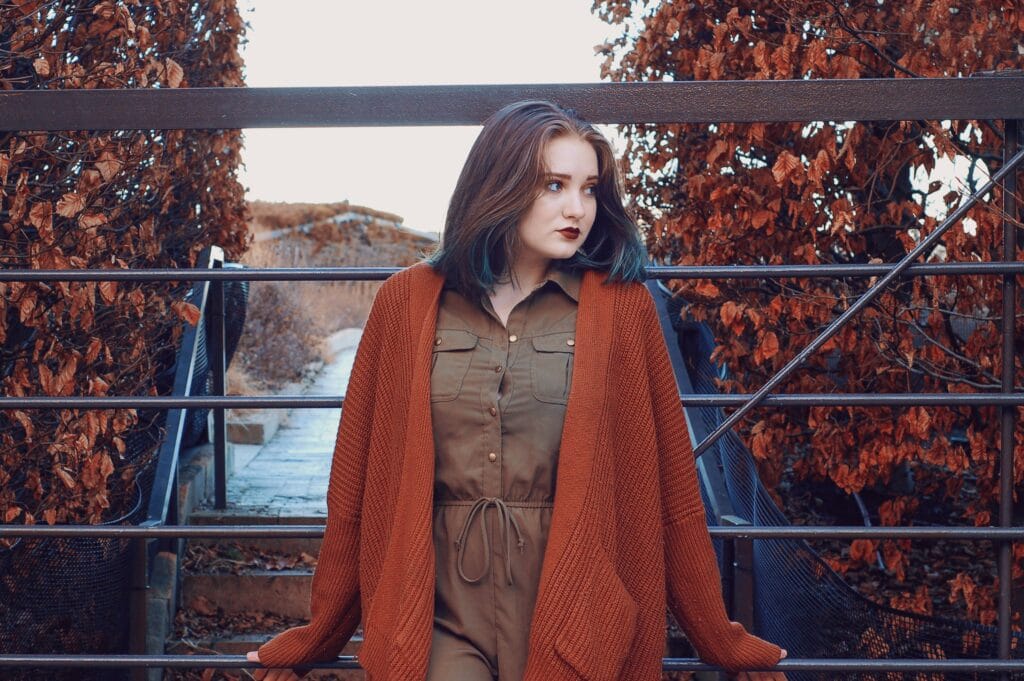
Try a charcoal sweater with a burgundy scarf, camel pants with a navy blazer, or an olive shirt with mustard accents. When you combine earth tones, jewel tones, and core neutrals, your outfit naturally looks more coordinated and seasonal.
One mistake I see women make is wearing only one category of color. An outfit that’s all neutrals can feel a little flat, while too many jewel tones can feel busy. Mixing all three gives your outfit the right balance.
How to Layer Fall Outfits
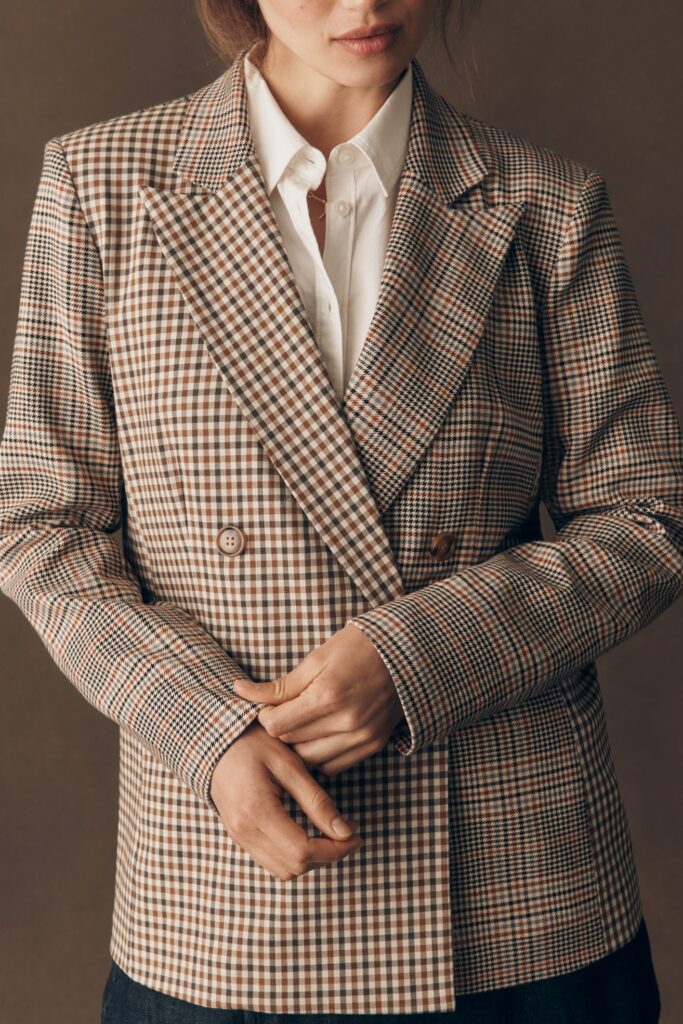
If there’s one thing that makes fall outfits work well, it’s understanding how to layer them properly. Done right, it keeps you warm. Done wrong, it makes you look bulky and shapeless.
I’ll show you a three-step formula that works every single time you’re building a fall outfit. Master this formula and you’ll never struggle with fall layering again. I promise.
Step One: The Base Layer
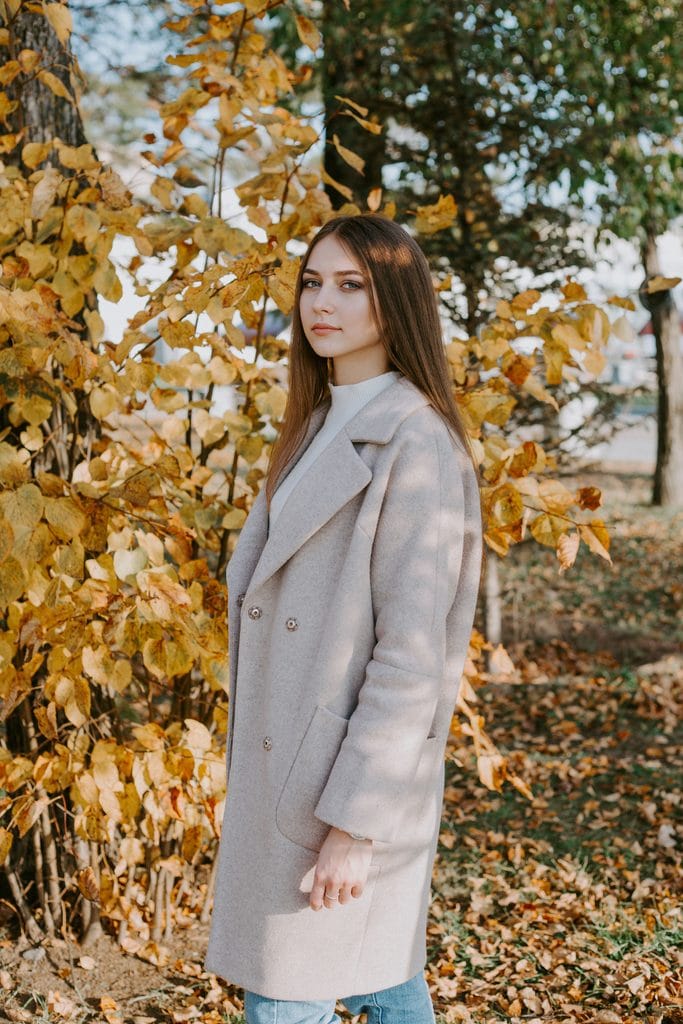
Your base layer is the foundation of your outfit. This should be lightweight and fitted to your body. You could wear a soft cotton T-shirt, a rib-knit bodysuit or a breathable button-down shirt.
The key is choosing something that fits well and doesn’t add unnecessary bulk.
Think of your base layer as the piece that everything else is built on. If it’s loose and shapeless, the layers on top will feel the same. If it’s fitted, it creates a clean silhouette for the rest of your outfit.
Your base layer will usually peek through at the neckline or the cuffs, so it still matters what you choose. Pick colors that work well with your mid-layer, and choose fabrics you feel comfortable wearing.
Step Two: The Mid-Layer
Your mid-layer is where you’ll wear sweaters, cardigans, flannels, and lightweight denim jackets.
This layer adds warmth, but it also adds texture and gives your outfit some character. Since it’s often the most visible layer, it’s worth putting a little thought into it.
This is also where your fall colors really get a chance to stand out. If you’re wearing a jewel tone, this is the perfect place for it.
It’s also where different textures become more noticeable, whether that’s a chunky cable-knit sweater, a smooth cardigan, or a textured flannel.
Make sure your mid-layer still gives you some shape around the waist. If it’s too oversized, it can overwhelm your outfit. A slightly relaxed fit with a little structure usually looks better.
Step Three: The Outer Layer
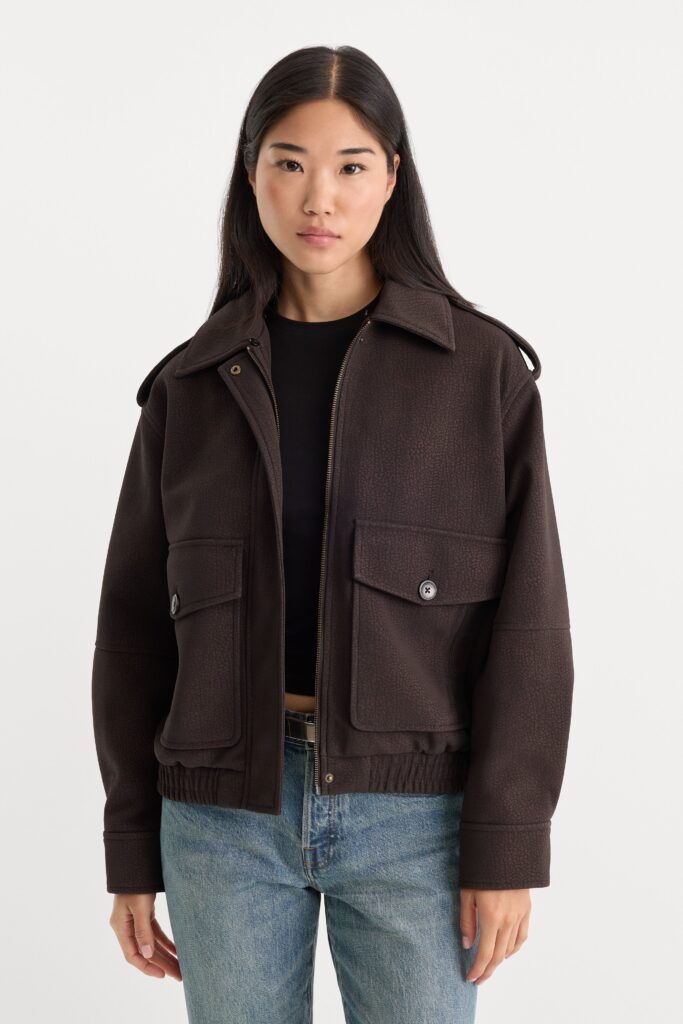
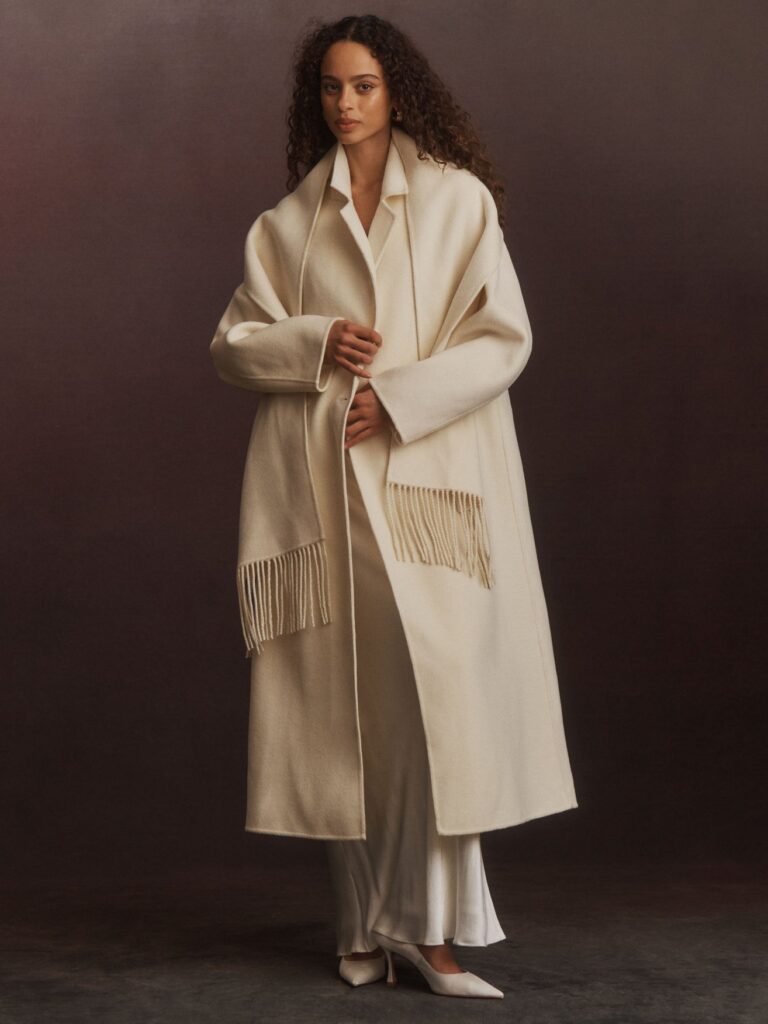
Your outer layer adds structure to your fall outfits. This is where leather jackets, trench coats, wool coats, and puffer jackets come in. It finishes your outfit while also protecting you from the weather.
A structured outer layer helps pull everything together. It gives your outfit definition and pulls the whole look together.
Putting the Three-Step Layering Formula Together
This formula works exceptionally well because each layer has a different job. Your base layer is fitted. Your mid-layer adds warmth and texture. Your outer layer adds structure. Together, they create balance instead of bulk.
One mistake I see many women make is wearing a chunky sweater over a loose shirt and then adding a chunky jacket on top. That’s a lot of heavy layers competing with each other.
Instead, try a fitted t-shirt, a well-fitted wool sweater, and a tailored blazer. Three layers with different jobs. That’s what makes this formula work.
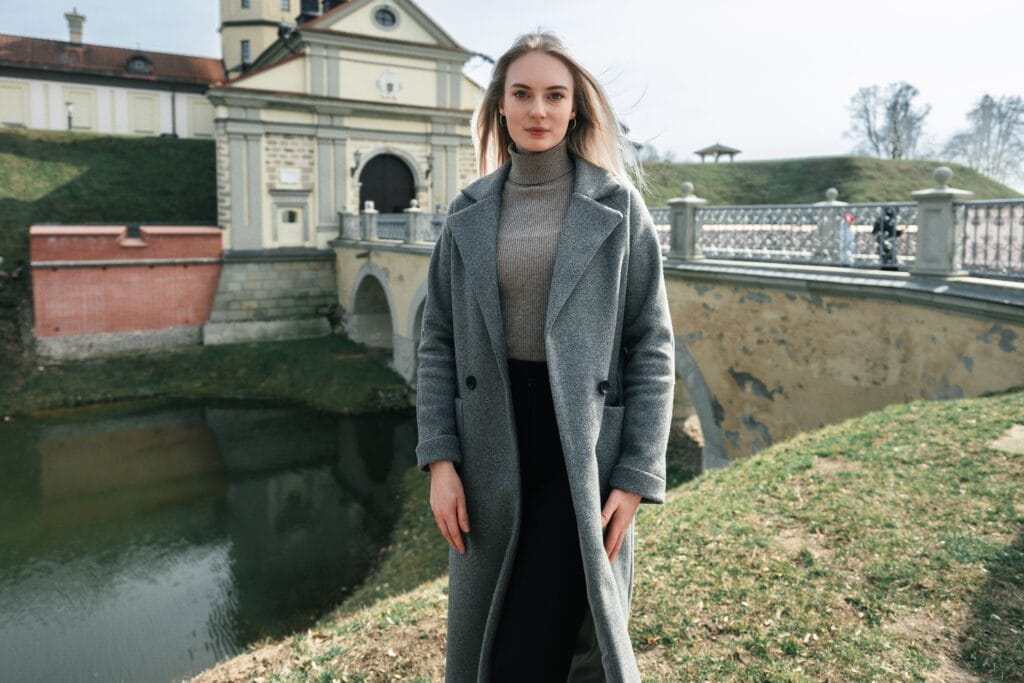
TRENCH COAT OUTFITS YOU’LL KEEP COMING BACK TO
7 Easy Fall Looks You Can Create With a Trench Coat.
Best Boots to Wear in Fall
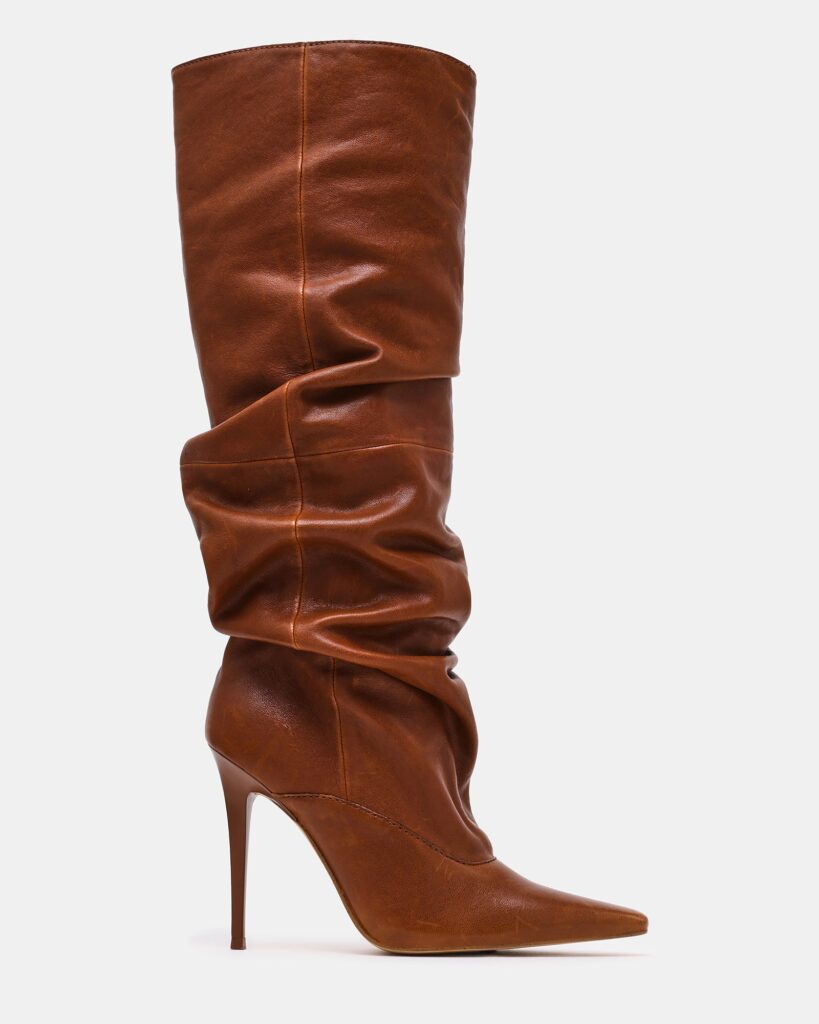
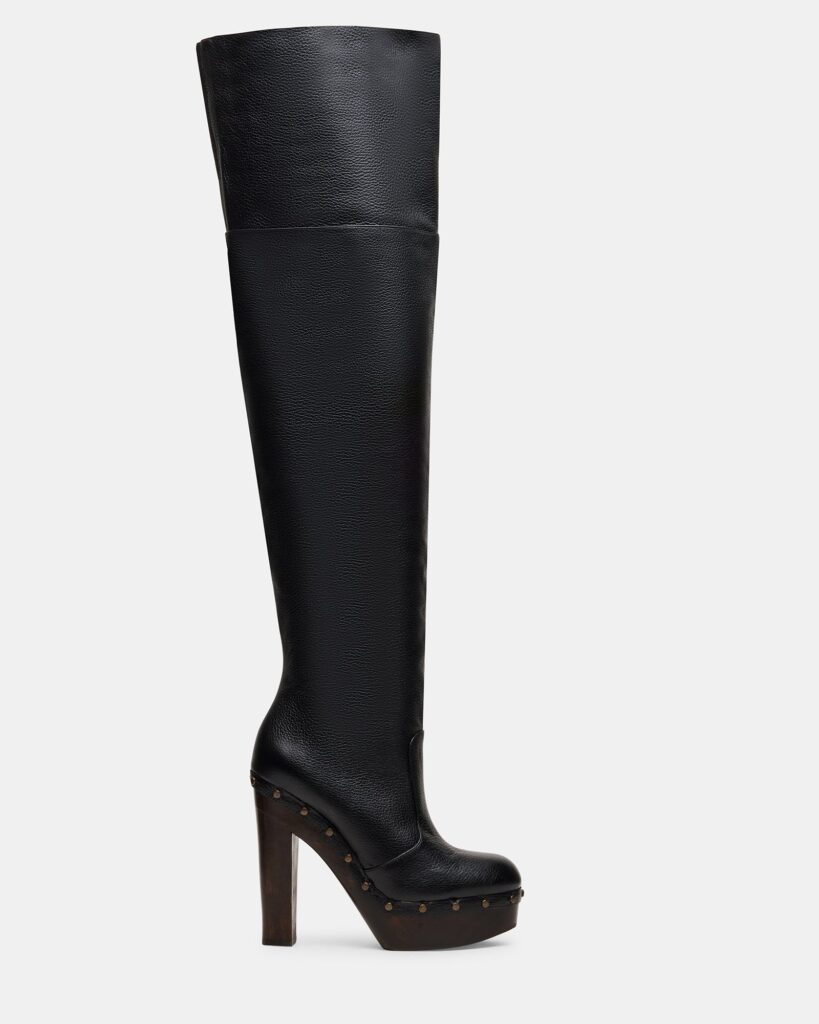
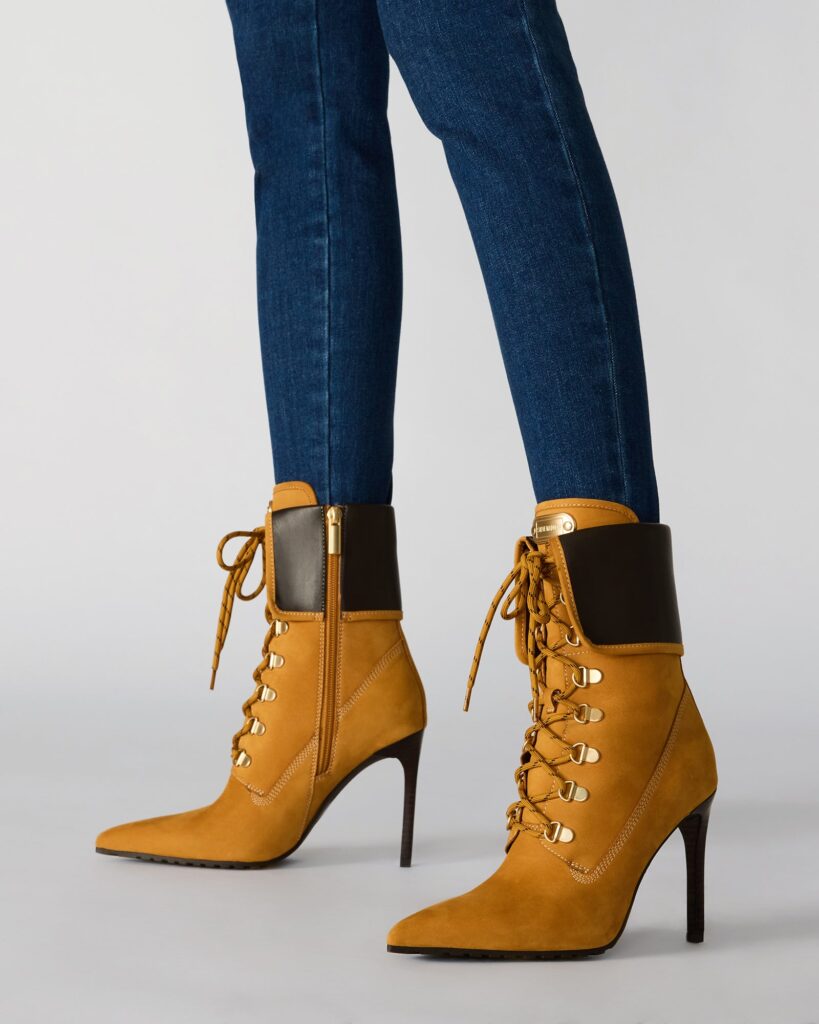
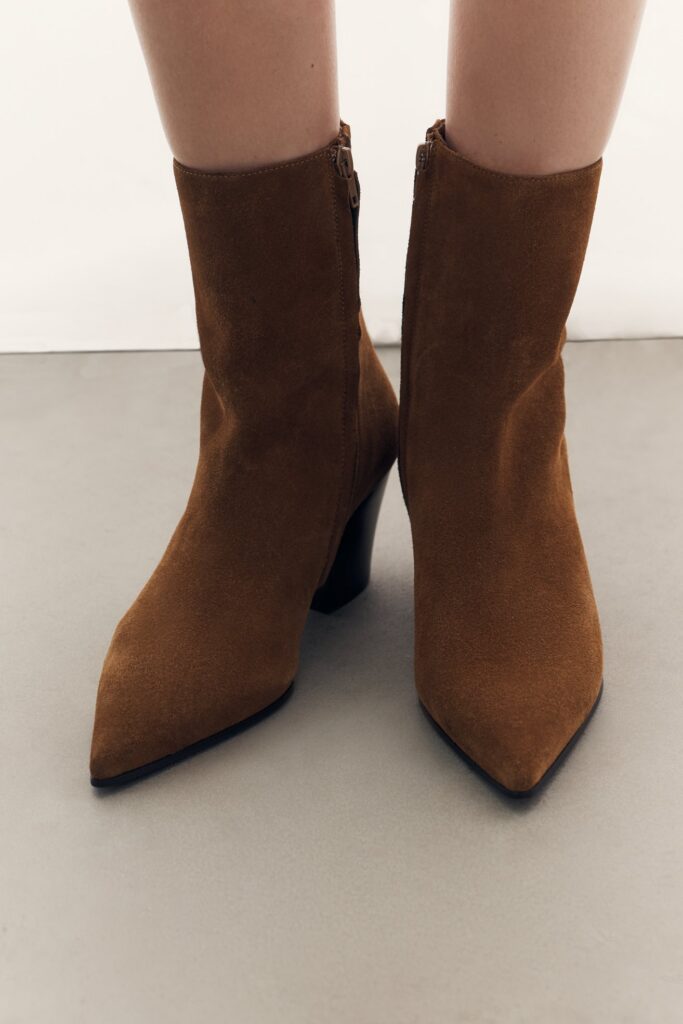
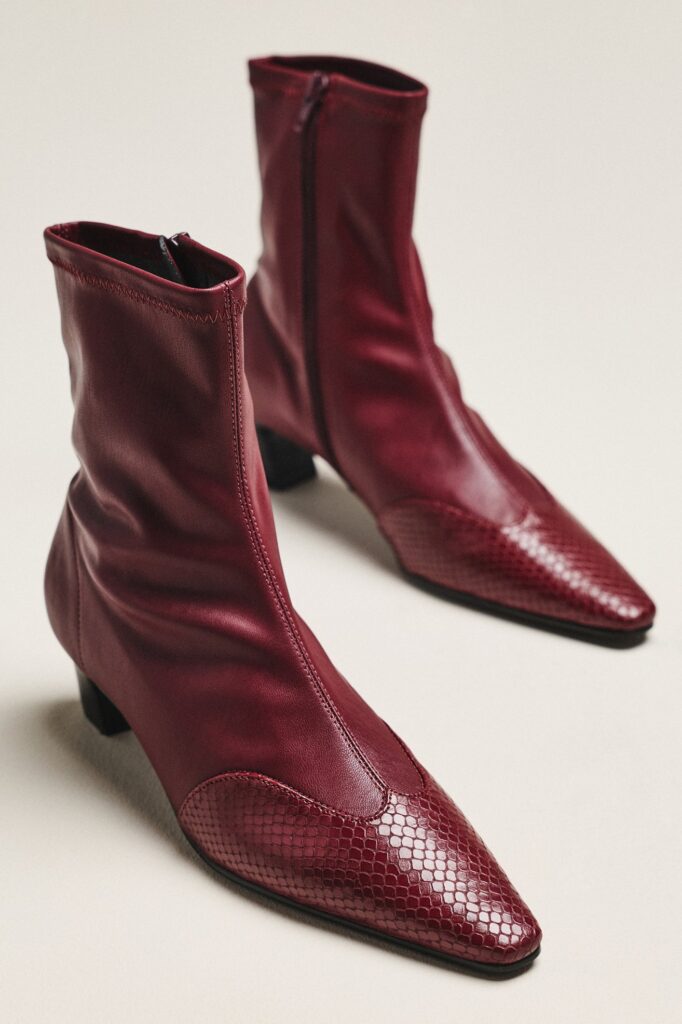
When it comes to fall fashion, these boots will never ever go out of style. You need three boot styles for fall and they all work for different reasons.
Loafers
Loafers are great for early fall when temperatures haven’t dropped yet. They have structure that summer sandals don’t have, so they make your outfit feel like fall even if the weather’s still warm.
You can wear them with jeans, dresses, or skirts and they work every time.
Ankle Boots
Ankle boots are the most versatile. They work with almost everything you own. They create a line that makes your legs look longer.
A pointed-toe boot elongates your leg even more. Round-toe boots feel softer. Either way they work for fall.
Knee-high Boots
Knee-high boots are for when it gets actually cold. They make dresses and skirts feel seasonal and they add warmth as well. They look so fashionable and are the best footwear for fall season.
What Boot Colors to Buy for Fall
If you’re only buying one pair of boots for fall season, don’t overthink. Just go for black or brown. These two colors work with almost everything in your fall wardrobe.
Must-Have Fall Accessories
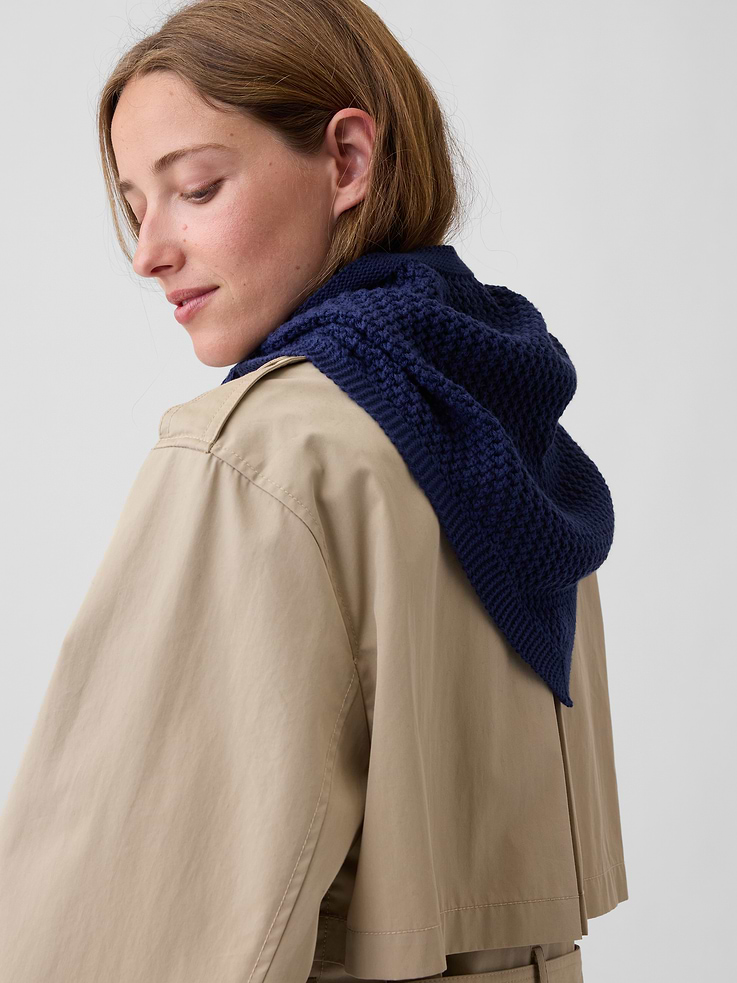
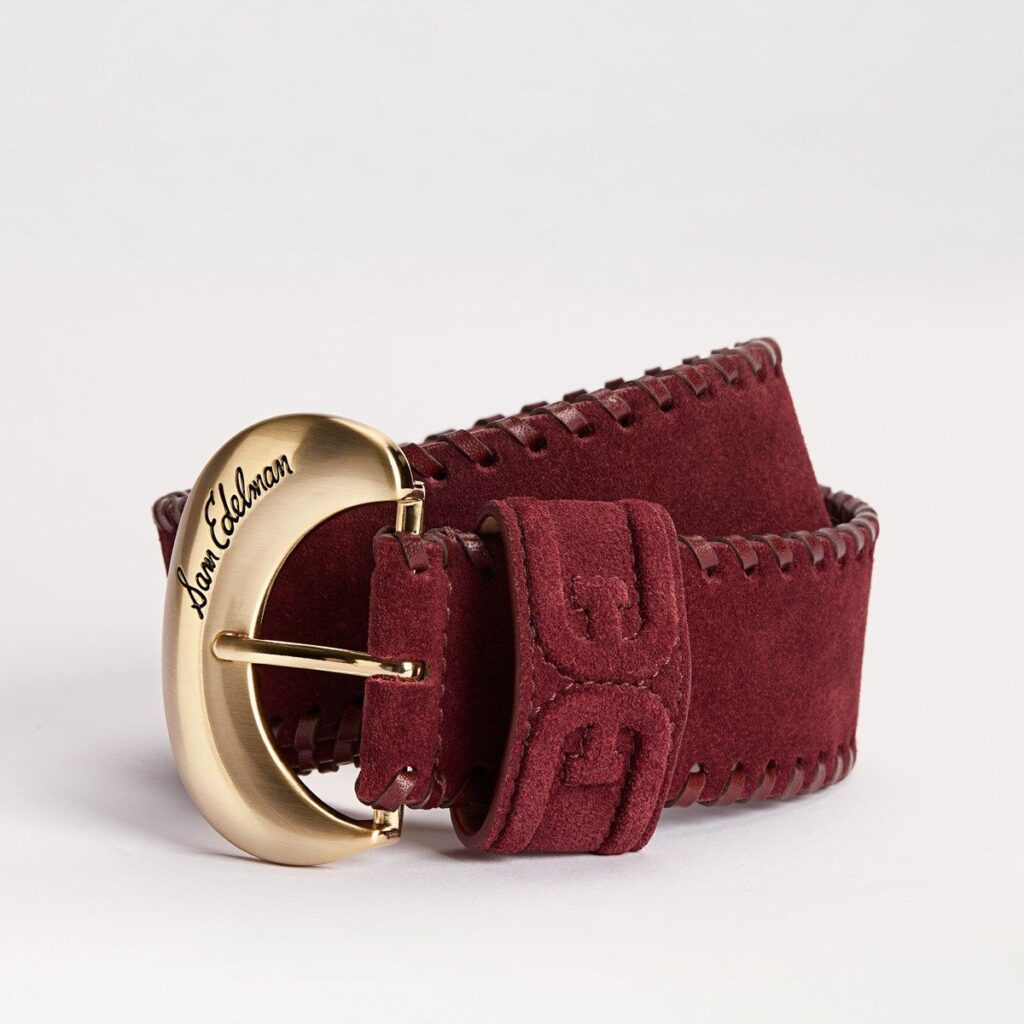
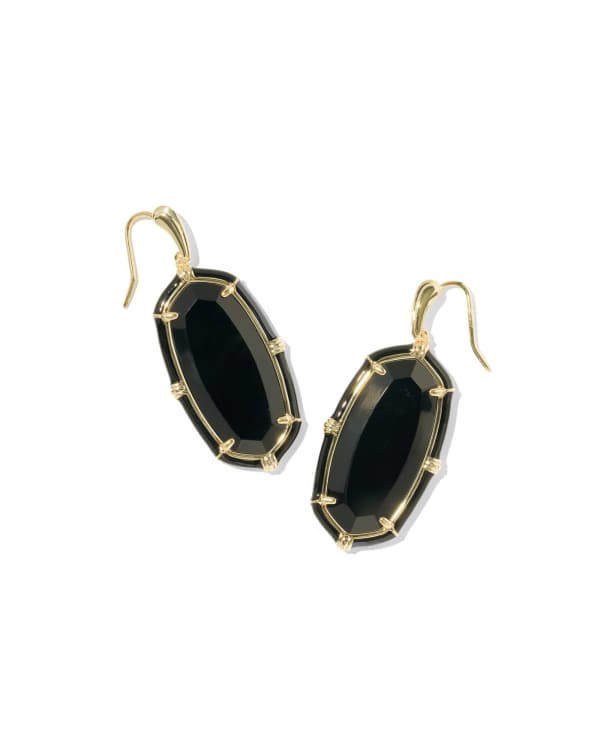
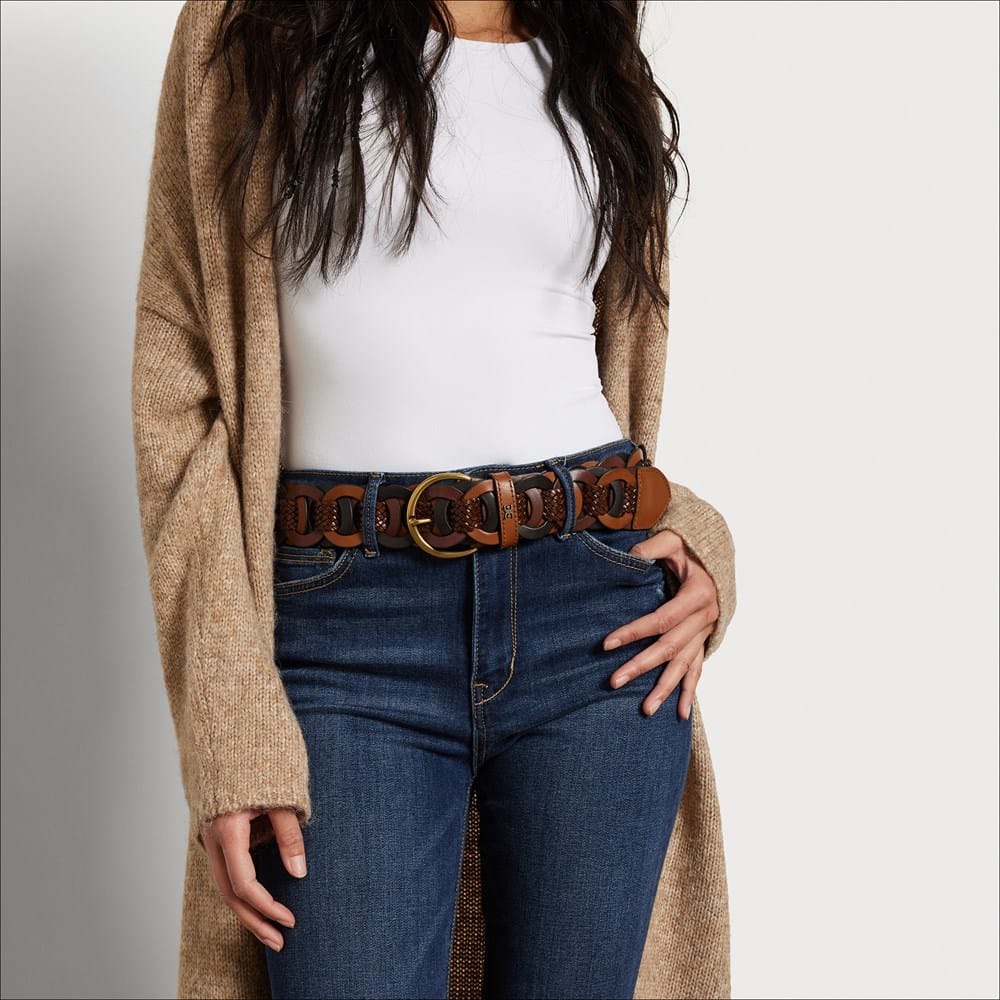
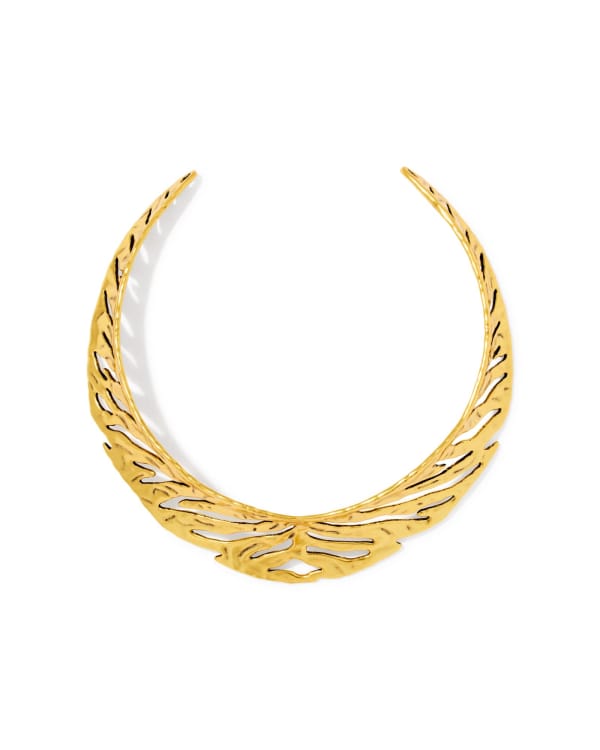
Accessories are what bring a fall outfit together. They completely change the look of any outfit anytime. We all know that. For fall, these accessories will really help elevate your fall outfits.
Fall Scarves
A good cashmere or wool scarf is one of those pieces you’ll wear year after year. If you’re not sure how to add more fall colors to your outfits, a scarf is one of the easiest ways to do it.
A burgundy or burnt orange scarf. You could also go for a classic plaid.
The best part of a scarf is that you can style it in so many ways. You can wrap it around your neck. You can drape it over your shoulders. You can also tie it as a belt if it’s not heavy. One scarf works multiple ways.
Fall Jewelry
Since fall outfits usually have heavier fabrics like chunky knits, wool coats, and leather jackets, delicate jewelry can get lost in them.
So, fall is the perfect time to bring out bolder pieces like chunky gold necklaces, silver statement necklaces, cuff bracelets, and statement rings.
Chunky jewelry stands out much better against heavier fabrics. It matches the visual weight of what you’re wearing. Your jewelry doesn’t disappear into your sweater. Your accessories become part of the outfit instead of being overshadowed by it.
Leather Belts
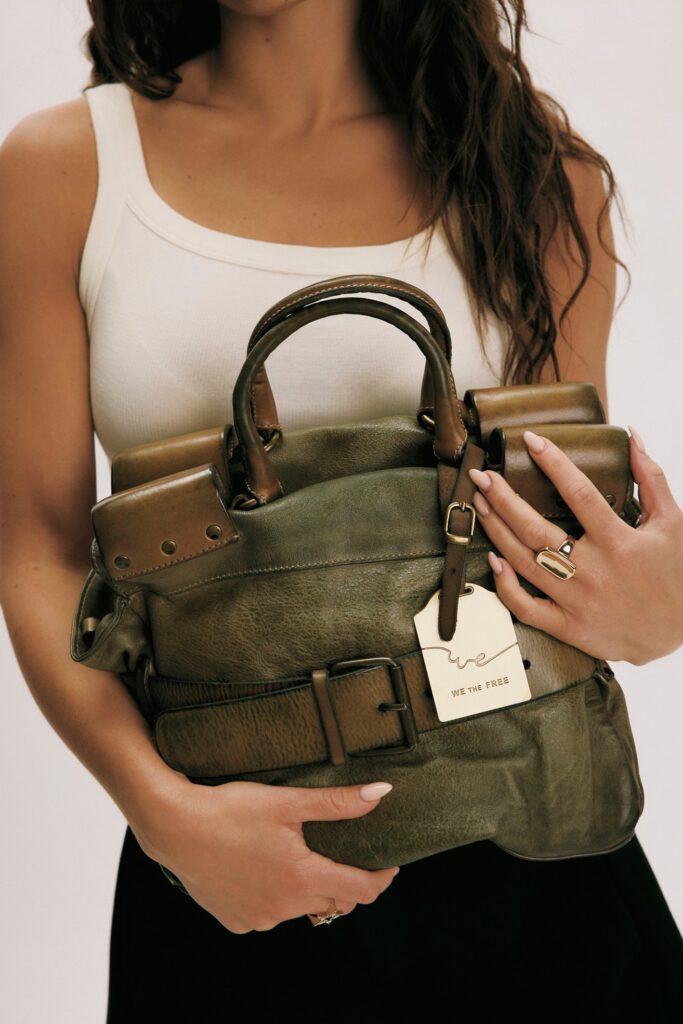
Don’t ever underestimate the power of a good leather belt. If you’re wearing oversized blazers, cardigans, or coats, a belt helps define your waist and add shape to your outfit.
A belt cinches fabric at your narrowest point. It creates this beautiful silhouette that oversized outfits would otherwise hide.
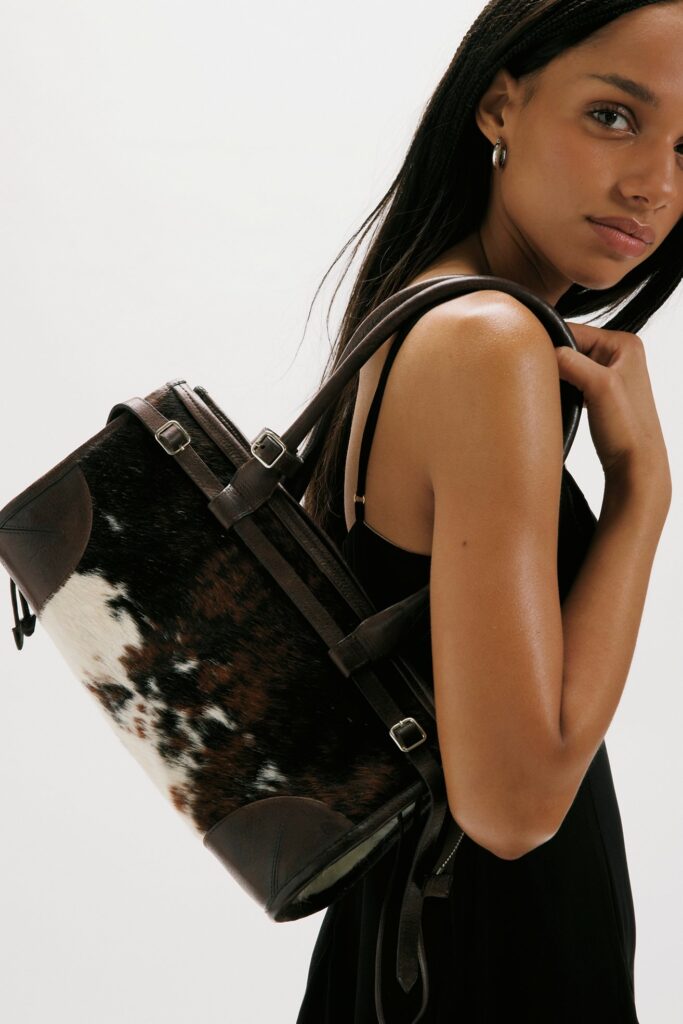
Try matching your belt with your shoes or bag when possible. It’s a small detail but it helps pull the whole outfit together and creates visual cohesion and makes you look elegant.
Common Fall Fashion Mistakes to Avoid
Understanding what doesn’t work is just as important as understanding what does. Let’s talk about the mistakes that can throw off your entire fall outfit.
Mistake One: Going Overboard With Trends
Building your wardrobe around timeless basics first, then adding trendy pieces if you want to, keeps your outfits from feeling dated quickly.
Trends come and go. Don’t blindly follow them.
Mistake Two: Ignoring Fit Completely
You can have the best fall outfit pieces, but if your clothes don’t fit your body properly, they won’t look right.
Make sure your clothes fit your body well. Have them tailored if needed. Fit matters more than the brand or price.
Mistake Three: Wearing Everything Oversized
Oversized clothes are great for comfort and look very modern. But not every piece needs to be oversized.
Balance them with something fitted. An oversized sweater needs fitted pants. An oversized blazer needs a fitted shirt underneath. If everything is oversized, it won’t look good.
Mistake Four: Forgetting Accessories
Things like a scarf, a belt, or the right jewelry might seem small, but they completely change how well put your fall outfit looks.
Details are what separate a basic outfit from a styled outfit. Don’t skip them.
Mistake Five: Dressing for the Calendar Instead of the Weather
Your calendar doesn’t know what the weather is doing. Just because it’s officially fall doesn’t mean it’s cold everywhere.
Some September days you’ll need a jacket. Other days you might not. Dress for what the weather is, not what the season is supposed to be.
THE ONLY FALL OUTFITS YOU NEED
Don’t Get Dressed This Fall Without These.
Building a fall wardrobe doesn’t have to be expensive. Once you understand the right colors, how to layer your outfits, and which pieces are worth investing in, getting dressed becomes much easier.
Start with the clothes you already own, add a few seasonal pieces if you need to, and don’t feel like you have to buy everything at once. Fall wardrobe is about making smart choices, not filling your closet with things you won’t wear.
If you enjoyed this guide and would like more styling tips, and outfit ideas, I’d love for you to join my free newsletter.
Leave a Little Love!
If this post helped you, you can support my work with a small tip.❤️