How to Dress for Your Body Type: Complete Guide for Every Body Type
Have you ever bought an outfit that looked absolutely stunning on someone else, only to try it on yourself and feel completely deflated?
That’s because every body is different. What looks great on someone else may not work the same way on you.
Understanding how to dress for your body type is one of the most transformative things you can do for yourself.
It’s not about following rigid fashion rules or restricting yourself to certain styles. It’s about understanding your natural proportions and choosing clothes that work with your shape instead of against it.
In this guide you’ll learn:
- How to identify your body type
- Which clothes flatter your shape
- How to create balance and proportion in your outfits
What Are Body Types And Why Does It Matter?
Before we dive into specific body shapes, let’s clarify what we’re actually talking about when we say “body type.”
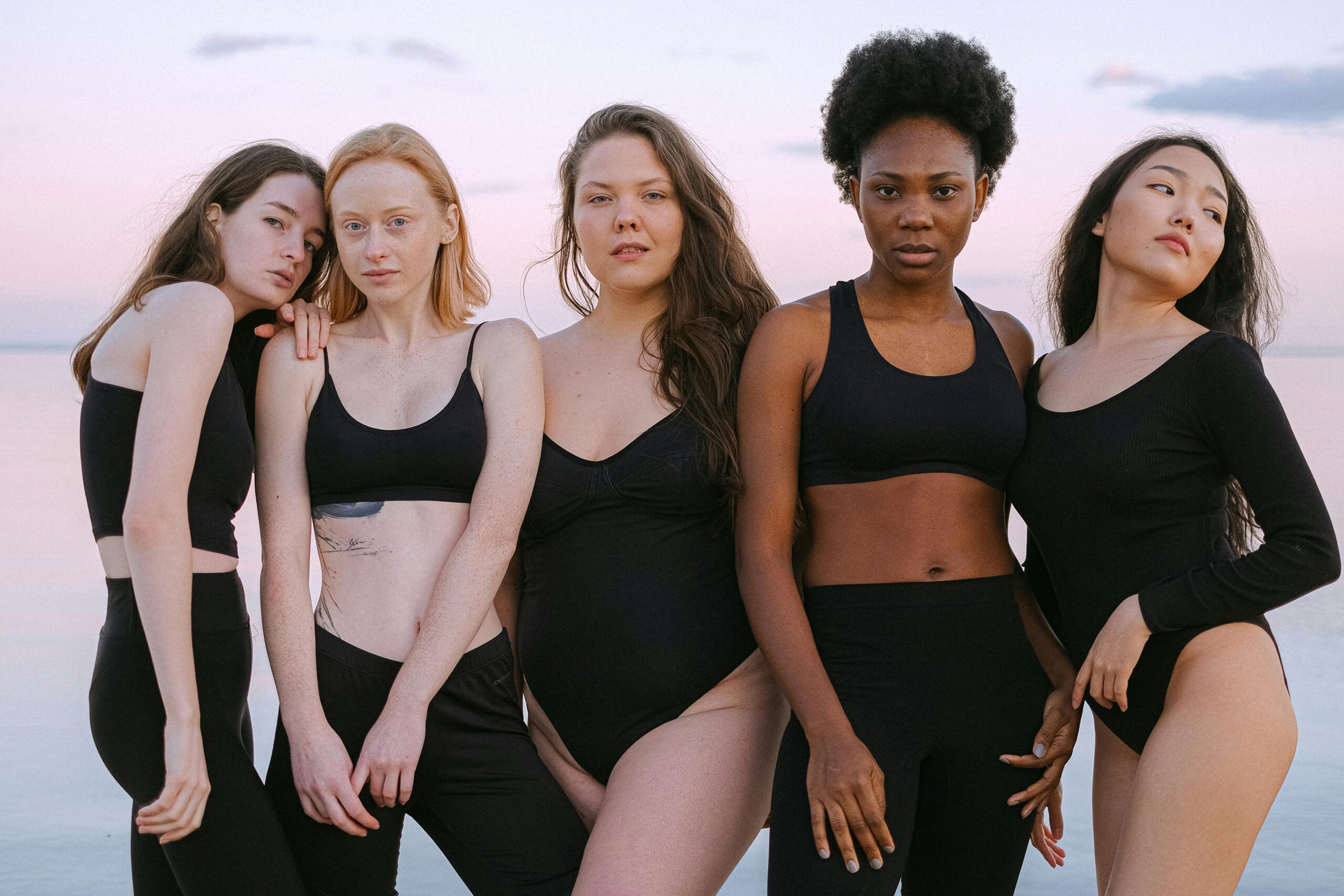
Body types have nothing to do with being skinny or fat, tall or short, or any judgment about your weight or size. Body type simply refers to where your body is naturally wider and where it’s naturally narrower. It’s about your skeletal structure and where you tend to carry weight.
Most women fall into one of five main body types:
- Pear-shaped
- Apple-shaped
- Hourglass
- Rectangle
- Inverted triangle
Once you understand which body type you have, finding clothes that fit you becomes significantly easier. You’ll understand why certain styles work better for you and avoid buying things that look great when you see them in a store but don’t work on your body.
The goal of dressing for your body type isn’t to change your shape or hide anything about your body. The goal is to create visual balance and highlight your best features.
Now let’s break down each body type.
How to Dress for a Pear Body Shape
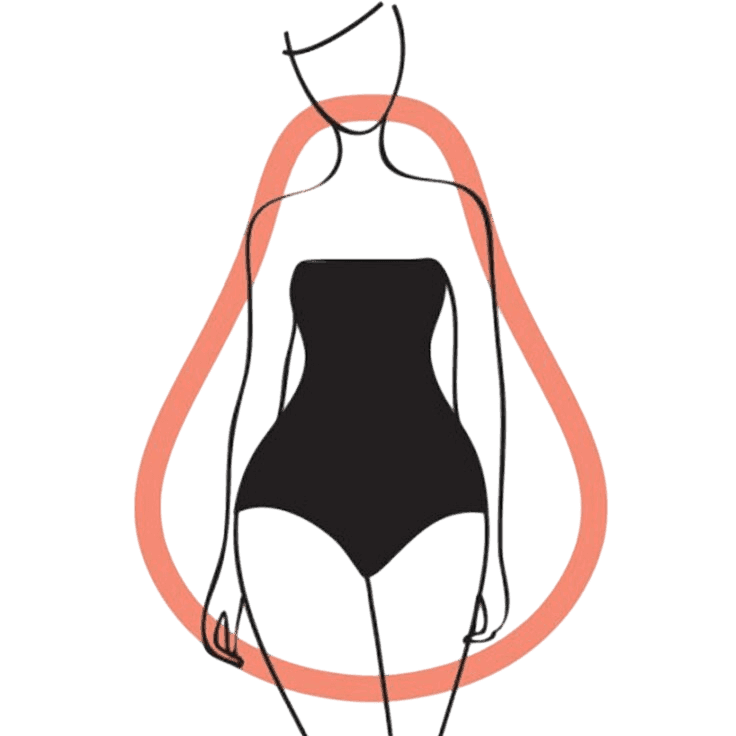
A pear-shaped body type means your hips and lower body are wider than your shoulders and upper body. You carry more weight in your hips, thighs, and bottom, while your shoulders, bust, and upper body are proportionally smaller.
When learning how to dress for a pear-shaped body type, the focus should be on creating visual balance between your upper and lower body.
Now what I mean by that is, you want to draw attention upward and add volume to your shoulders and bust area so they feel as prominent as your hips. You’re not hiding your lower body, you’re simply making your upper body feel equally important, so the overall silhouette looks balanced and proportionate.
The best tops for pear-shaped bodies are styles that add visual interest, detail, or volume to your upper body.
Tops that work well for you are:
- Bright or bold-colored tops
- Puff sleeves
- Boat neck
- Structured jackets and blazers
- Off-shoulder tops
- Statement tops with patterns, prints, ruffles, or embellishments
- Horizontal stripes
For bottoms, choose styles that skim over your hips and thighs rather than clinging to them.
Bottoms you should go for:
- Straight-leg pants
- Wide-leg pants
- A-line skirts
- Flared jeans
- Dark-colored bottoms
Now that we’ve covered what works well, there are also a few things you may want to be more careful with. Some styles can make your lower body look more prominent compared with your upper body.
Styles to be careful with:
- Tight pants and leggings
- Skinny jeans
- Clingy fabrics that show every curve instead of skimming over them
- Bright bottoms paired with dark tops
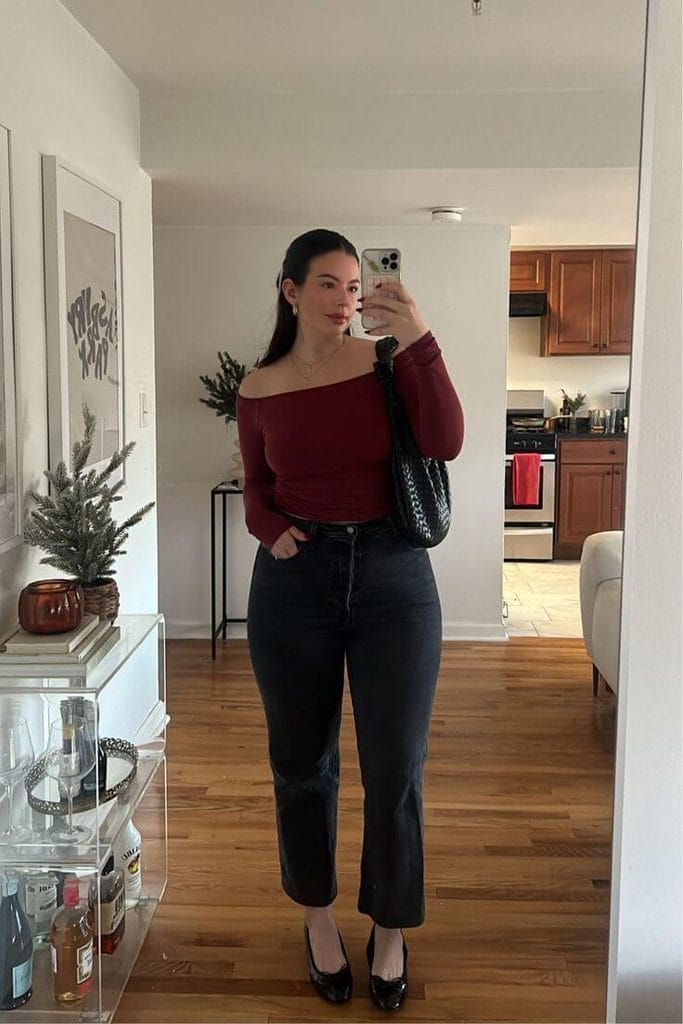
PEAR SHAPE BODY STYLING GUIDE
Your Ultimate Guide to Pear Body Type Dressing.
How to Dress for an Apple-Shaped Body Type
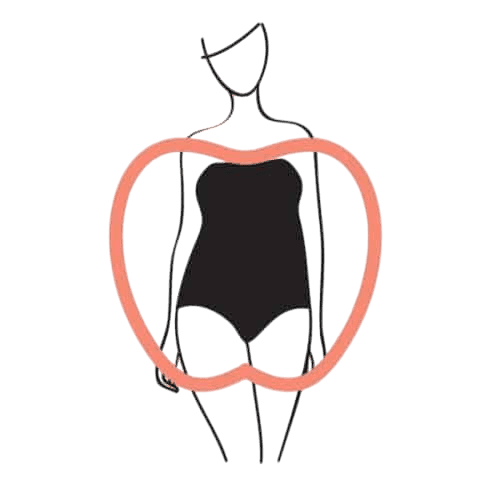
An apple-shaped body type means you carry more weight around your midsection. Your shoulders may be broader, your bust fuller, and your waist less defined, while your legs are often slimmer in comparison.
When learning how to dress for an apple-shaped body type, your goal is to create shape and definition without clinging to your midsection. You want clothes that drape gracefully over your stomach while highlighting your shoulders and legs, two of your best features as an apple shape.
Let me share some tops that work for you:
- V-necks
- Wrap and flowy tops
- Empire-waist tops
Since your legs are one of your best assets as an apple shape, showing them off helps balance your overall proportions and shifts focus away from your midsection.
Bottoms and dresses you should consider are:
- Long jackets and cardigans
- Short dresses
- Empire waist
- Straight-leg pants
- A-line dresses
- High-waisted pants
- Knee-length skirts
Now, this is what you should avoid. Outfits that make your midsection look more prominent compared with the rest of your body.
Here’s your list:
- Tight tops
- Oversized tops
- Horizontal stripes
- Crop tops or short jackets
How to Dress for an Hourglass Body Type
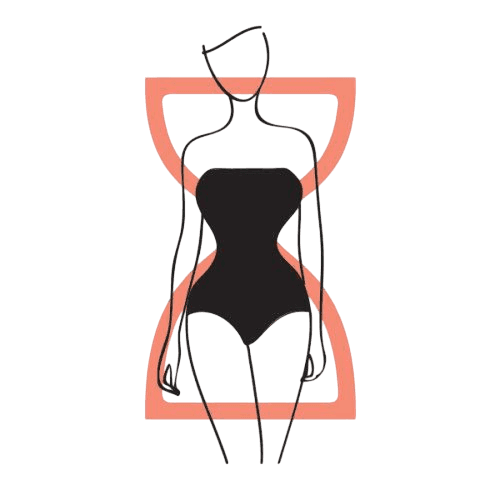
An hourglass body type means your shoulders and hips are approximately the same width, while your waist is clearly defined and noticeably smaller than both. You have balanced curves in both your upper and lower body, and this creates an hourglass shape.
For you, it’s simple, just make sure to not hide your waist. Your defined waist is your best feature, and the biggest mistake hourglass shapes can make is wearing oversized, shapeless clothes that completely hide this natural advantage.
The best clothes for hourglass bodies are anything that defines and emphasizes the waist.
Outfits that work well for you:
- Wrap dresses
- Fitted dresses
- Belted styles
- Tailored clothing that follows your curves without clinging
- Pencil skirts
- High-waisted pants
The key rule for hourglass body that you should remember is that if a piece of clothing hides your waist, it’s not working for your body type. Everything you wear should either define your waist naturally through its cut and structure, or it should allow you to add a belt to create that definition yourself.
Now, let’s talk about what you should stay away from. Any outfit that hides your natural curve are not meant for you.
Here’s what to avoid:
- Oversized, shapeless clothes that hide your waist
- Boxy tops and dresses that don’t follow your natural curves
- Baggy pieces that overwhelm your shape
- Straight-cut dresses with no waist definition

TRICKS NOBODY TOLD YOU ABOUT
Styling Psychology Tricks To Look Put-together.
How to Dress for a Rectangle Body Type
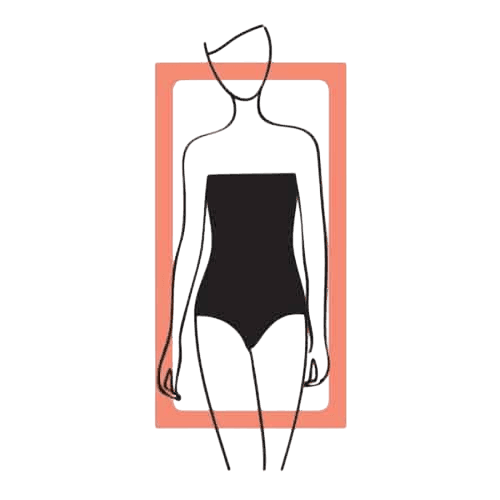
A rectangle body type, sometimes called a straight or athletic body type, means your shoulders, waist, and hips are all similar in width. Your body is straight up and down without curves or a clearly defined waist.
You basically carry weight evenly throughout your body rather than in one specific area.
Now, how to dress for a rectangle body type? You got to create the illusion of curves and shape where your body doesn’t naturally have a definition.
You’re not trying to balance top and bottom like pear or inverted triangle bodies do. You’re trying to create shape and dimension where your natural silhouette is straighter.
The best clothes for rectangle bodies are those that add curves or visual interest to create the illusion of a defined waist and curvier silhouette.
Styles that work well for you:
- Belts to add waist definition
- Peplum tops
- Layering
- Structured jackets
- Wide-leg pants
- A-line skirts
- Pleated skirts
- Ruffles and other details that add visual interest and dimension
Here’s the good news about having a rectangle body type, you can experiment more with fashion than almost any other body type.
Because you don’t have extreme proportions to balance like very wide hips or very broad shoulders, you have more freedom to play with different shapes, silhouettes, and styles without worrying about throwing off your proportions.
You’re essentially working with a blank canvas, which gives you incredible versatility.
But there are a few styles I’d recommend you avoid as these make your natural shape look straighter and less defined.
What to avoid:
- Loose, flowy pieces worn together that can overwhelm your frame
- Straight, shapeless clothes that make your body look like one straight line
- Boxy tops paired with straight pants that offer little shape
How to Dress for an Inverted Triangle Body Type
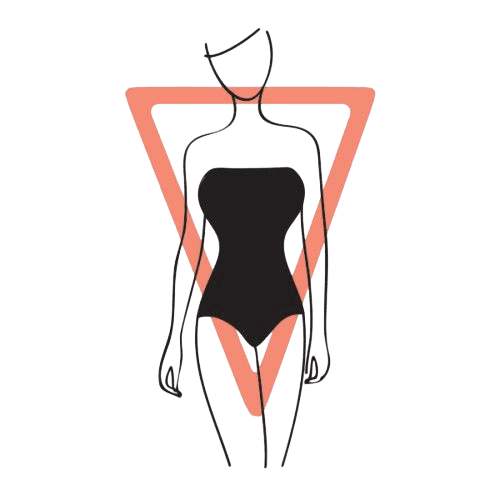
An inverted triangle body type means your shoulders are broader than your hips. You might have a fuller bust, athletic shoulders, or just naturally wider upper body proportions compared to your narrower hips and legs.
If you have this body shape, the difference between your upper and lower body is usually easy to notice.
The goal for you is to balance your broader shoulders by adding volume and visual interest to your lower body.
This is essentially the opposite strategy of dressing a pear-shaped body, where you add volume on top. For inverted triangles, you’re adding volume on bottom and keeping things simpler on top.
Bottoms that work well:
- Wide-leg pants
- Flared jeans
- A-line skirts
- Pleated skirts
- Light-colored bottoms
- Patterned or detailed bottoms that make your lower half noticeable
For tops, the idea is to keep your upper body simple rather than adding more width to your shoulders. You want the attention to stay lower on your body, where you’re adding volume.
Tops you should wear:
- V-neck tops
- Darker-colored tops
- Simple tops with minimal detail around the shoulders and neckline
Styles to avoid:
- Boat necks
- Puff sleeves
- Horizontal stripes
- Shoulder pads
The overall strategy for inverted triangles is guiding people’s eyes to travel down your body instead of stopping at your shoulders.
By adding volume and interest to your lower body while keeping your upper body simple and streamlined, you create visual balance that makes your proportions appear more even and harmonious.
The Most Important Thing to Remember About Your Body
Here’s what I really want you to understand. There is absolutely nothing wrong with your body. Nothing.
The reason some clothes sometimes don’t work on you has nothing to do with your body being wrong or bad. It’s simply that those clothes weren’t made with your proportions in mind.
When you try to force them to work, they just don’t fit the way you want them to.
Once you understand your body type and what works for your specific shape, shopping becomes easier. Getting dressed becomes easier. And you stop having identity crises in fitting rooms because you know what to look for and what to skip entirely.
If you’re struggling with the “I have nothing to wear” feeling even though your closet is full of clothes, you may be dealing with a different problem.
That means you haven’t figured out your personal style yet, which is completely different from knowing your body type.
Body type tells you what fits and flatters your shape. Personal style tells you what you actually like to wear and what feels authentically you.
Want to figure out your personal style? Read my guide on finding your personal style without spending money.
It will help you figure out what you actually like to wear, what makes you feel confident, and how to build a wardrobe that feels like you.

WHAT’S YOUR STYLE?
Find your personal style without spending a single dollar.
Drop a comment below and tell me which body type you have and which styling tip you’re going to try first.
For more fashion tips, styling guides, and practical advice, subscribe to my newsletter so you don’t miss the next post.
Leave a Little Love!
If this post helped you, you can support my work with a small tip.❤️