How to Find Your Personal Style Without Spending Money
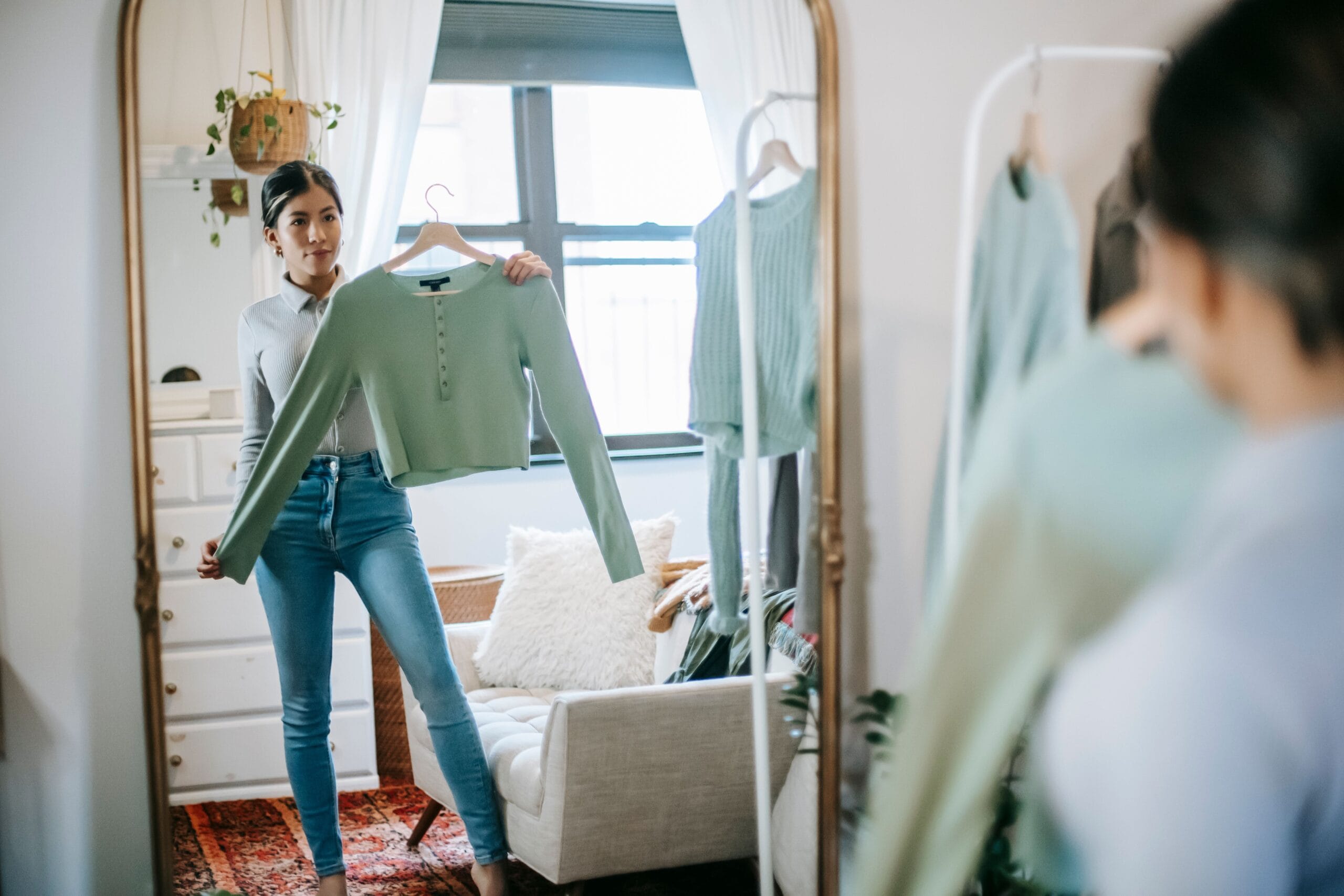
You’ve probably stood in front of your closet more times than you can count, surrounded by clothes, and thought: “I have absolutely nothing to wear.”
It’s frustrating, confusing, and kind of ridiculous when you think about how much money you’ve spent on everything hanging in there.
But here’s the thing: that feeling doesn’t mean you need more clothes. It means you haven’t figured out your actual style yet. You just have a collection of random purchases made at different times and for different reasons, and somehow none of it feels like you.
The difference between having clothes and having style is knowing what works for YOU. Not what works for influencers. Not what’s trending. Not what looked cute on the mannequin. What actually makes you feel like yourself when you put it on.
And the best part is, you don’t need to spend a single dollar to figure it out. Everything you need is already in your closet. You just need to look at it differently.
What Your Everyday Clothes Reveal About Your Style
Before you do anything else, before you make Pinterest boards or watch styling videos, think about what you want your style to be. You need to understand what your style already is.
Because whether you realize it or not, you already have one. It’s just unconscious right now.
Here’s how to make it conscious.
For the next two weeks, pay attention to what you actually wear. Not what you think you should wear. Not what you planned to wear when you bought it. What you genuinely reach for when you’re getting dressed without overthinking it.
There are a few ways you can track this:
- Be honest about what’s in your laundry basket
- Move everything you wear to one side of your closet
- Flip the hangers backward after wearing something.
Your laundry basket doesn’t lie. It’s not trying to be aspirational or impressive. It’s just showing you the clothes you wear in your everyday life.
After two weeks, look at that collection and notice what stands out.
Look for patterns in the pieces you wear most. Notice the colors, level of comfort, and silhouettes you naturally gravitate toward.
You may notice that you consistently reach for loose, flowy pieces or prefer structured, fitted outfits. Or you might find that your wardrobe leans heavily toward black and neutrals, or that you love wearing more colors than you realized.
This isn’t about judging your choices. It’s about gathering data. Because the clothes you naturally reach for are telling you something about what makes you feel comfortable and confident.
And comfort matters more than most people want to admit. If you’re constantly buying things that look good but feel terrible to actually wear, you’ll never develop a consistent style. You’ll just have a closet full of clothes you avoid.
Your real style lives in the overlap between “looks good” and “feels good.” Everything else is just noise.
What Your Saved Outfits Reveal About Your Style
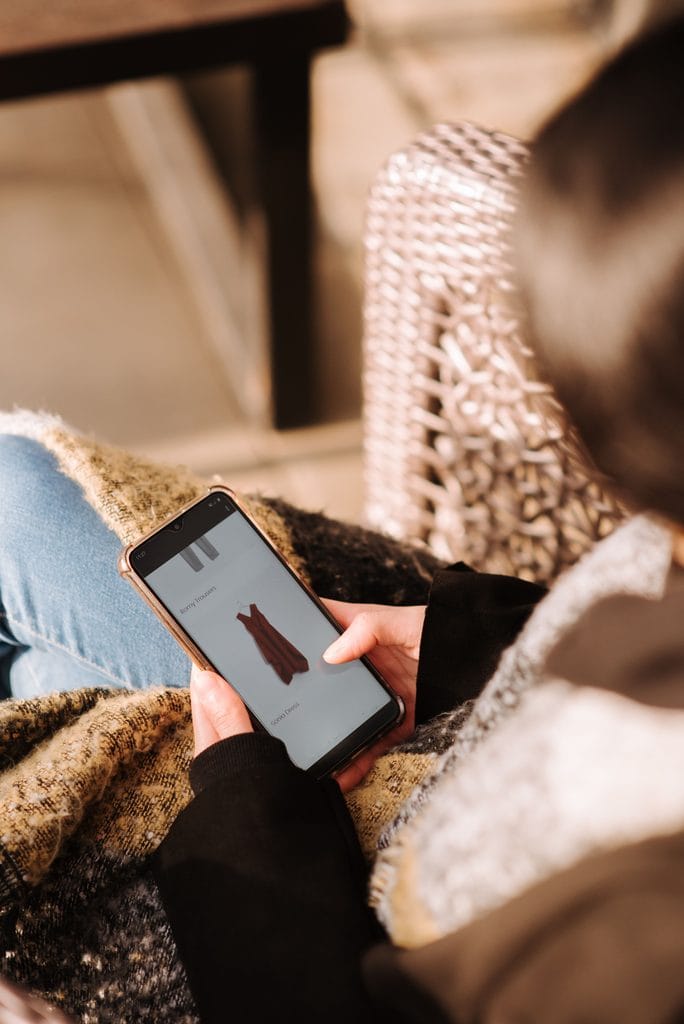
Now let’s talk about the other side of the equation: what you’re drawn to when you’re not thinking about your own closet.
Open your Instagram saved folder. Your Pinterest boards. Your screenshots. Whatever digital collection you’ve been building when you see outfits you like.
Look at everything you’ve saved over the past few months and notice the patterns.
- Minimal and neutral
- Colorful and bold
- Sporty and casual
- Romantic and soft
Then compare what you’re saving to what you’re actually wearing.
Because sometimes there’s a massive gap between aspirational style and actual style. You might be saving flowy romantic dresses while living in jeans and hoodies 90% of the time.
That gap isn’t necessarily a problem. But it is information.
If everything you save looks nothing like anything in your closet, one of two things is happening. Either you’re saving a fantasy version of yourself that doesn’t match your real life, or your closet genuinely doesn’t reflect who you are and needs to slowly shift in a new direction.
Either way, understanding that gap helps you figure out where to go next.
The goal isn’t to copy the exact outfits you’re saving. The goal is to identify the vibe you’re drawn to and figure out how to create that feeling with what you already own.
How to Create New Outfits With Clothes You Already Own
This is where it gets practical and fun.
You don’t need new clothes to create new outfits. You just need to start combining what you have in ways you haven’t tried before.
Pick one piece you love, a pair of jeans, a jacket, a dress, whatever, and challenge yourself to style it three completely different ways.
Same jeans with a t-shirt and sneakers for a casual, easy look. Same jeans with a blouse and heels for something polished and put-together. Same jeans with an oversized sweater and boots for a cozy, relaxed look.
Same item. Three totally different vibes.
That’s the secret most stylish people understand. They’re not wearing completely different clothes every day. They’re just remixing the same pieces in ways that feel fresh.
And accessories are the cheat code for this. Changing your shoes, bag, jewelry, or jacket can completely transform an outfit without changing the base.
A simple black dress with sneakers and a denim jacket reads completely different than the same dress with heels and a blazer. The dress didn’t change. The styling did.
Start experimenting with small swaps like this:
- Layer something you normally wear alone
- Wear your favorite top with a different bottom than usual
- Try a belt you never use.
Give yourself permission to try combinations that feel weird at first. Some of them will be terrible. That’s fine. That’s literally the point. You’re gathering information about what works and what doesn’t.
The more you practice, the faster you’ll develop an instinct for what looks and feels right on you.
Easy Styling Challenges to Try With Your Wardrobe
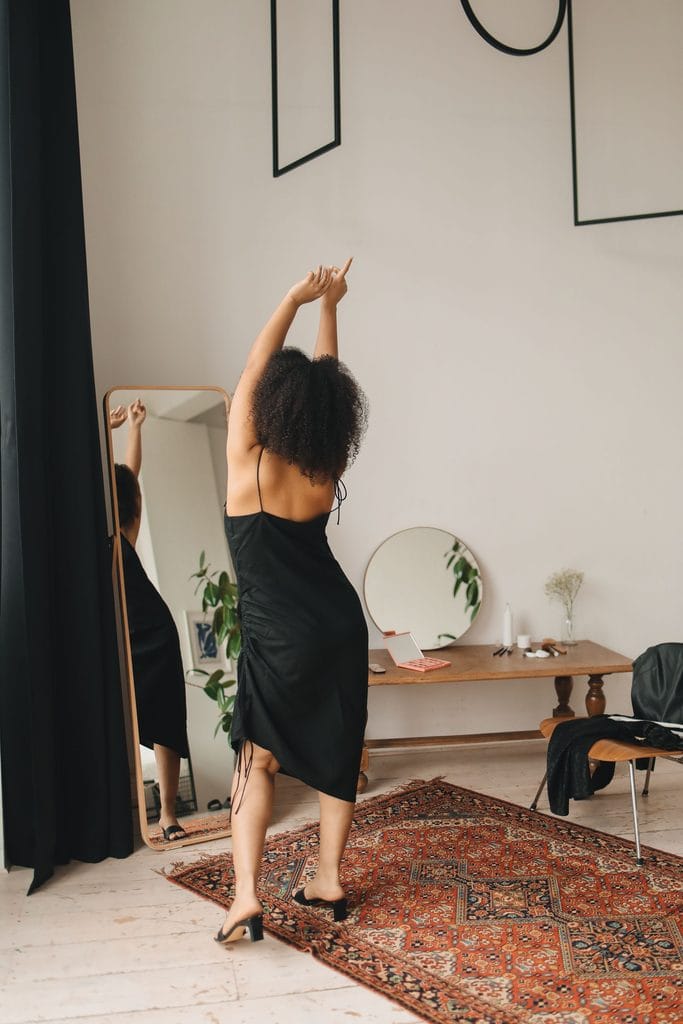
One of the easiest ways to push yourself out of styling ruts is to turn it into a game instead of a serious task.
Try a few simple challenges:
- Style your most random, forgotten piece into something you’d actually wear
- Wear only one color from head to toe for a day
- Create an outfit using only three items.
Or go in the opposite direction. Dress like a character from your favorite show, or recreate a vibe you saved on Pinterest using only what’s in your closet.
When you add constraints or themes, you force your brain to get creative. And that’s when you accidentally stumble onto combinations that actually work.
Plus, it takes the pressure off. You’re not trying to look perfect or impress anyone. You’re just experimenting. Playing. Seeing what happens.
And if an outfit is terrible, great. Now you know. That’s valuable information for next time.

THIS IS WHY YOUR OUTFITS LOOK CHEAP
Learn how to fix this and look expensive and classy.
How to Find Outfits That Work for You
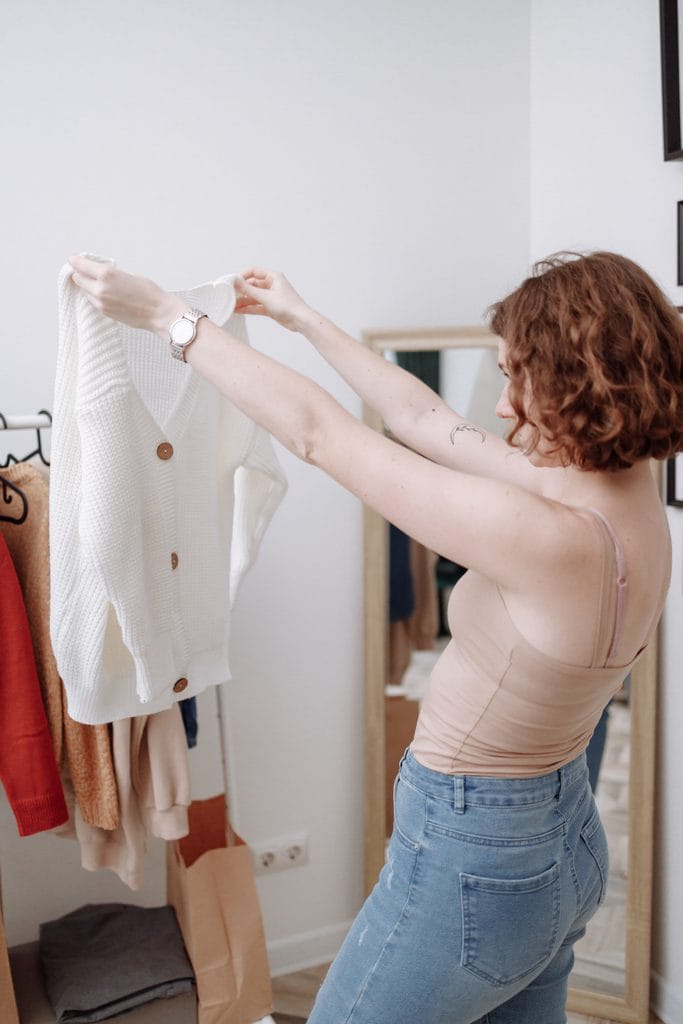
Here’s something nobody likes to hear but everyone needs to understand: not everything that looks good on someone else will look good on you. And that’s completely fine.
High-waisted jeans might be universally flattering in theory, but if they make you feel uncomfortable or self-conscious, they’re not your thing. Crop tops might be everywhere right now, but if you don’t like wearing them, you don’t have to.
The only way to figure out what actually works for you is to try things on, look in the mirror, and be brutally honest about how they make you feel.
Not how they should make you feel. How they actually make you feel.
Pay attention to how each outfit makes you feel. Notice whether it makes you feel confident or whether you’re constantly adjusting it and feeling awkward.
Think about whether it fits your actual life or whether it’s cute in theory but completely impractical for what you do every day.
Most importantly, notice whether it feels like you or whether it feels like you’re wearing a costume of someone else’s style.
This is why trying things on at home matters.
- Every time you get dressed is practice
- Every outfit is an experiment
- Every mirror check is data.
You’re not trying to get it perfect every time. You’re paying attention to what works and what doesn’t.
Over time, that information accumulates. And eventually, you develop an instinct for what works without having to think about it consciously.
That’s what personal style actually is. It’s not rules. It’s not trends. It’s an internalized sense of what feels right for you.
How Confidence Can Change Your Style
Here’s the thing most people don’t realize about style. The clothes are only half of it. Maybe less than half.
The real X factor is confidence. And confidence comes from wearing things that make you feel like yourself.
You can wear the most objectively stylish outfit in the world, but if you feel uncomfortable or self-conscious in it, people will pick up on that energy. And the outfit won’t work.
On the flip side, you can wear something simple and unremarkable, but if you feel good in it, if you carry yourself with confidence, people will notice that instead.
Fashion is subjective. What looks amazing to one person may not work for another. But confidence always makes a difference.
So wear what makes you feel good. If you’re comfortable in it and it feels like you, that’s what matters.
That’s the foundation of real personal style. Everything else is just decoration.
How Long Does It Take to Find Your Personal Style
If you’re hoping for some magic formula that gives you a fully defined personal style in a week, I have bad news. That doesn’t exist.
Finding your style is a process. It takes time. It takes experimentation. It takes trying things that don’t work and learning from them.
Some days you’ll get dressed and feel amazing. Other days you’ll try an outfit you thought would work and realize it absolutely doesn’t. Both of those experiences are valuable.
You don’t need to get it right every time. You just need to keep experimenting.
The easiest way to start is to pay attention to what you already have and what you’re naturally drawn to. Here are a few things you can do:
- Notice what you’re already wearing
- Pay attention to what you’re drawn to online
- Experiment with remixing what you already have
- Give yourself permission to try things without judgment.
Over weeks and months, patterns will emerge. You’ll start to notice what consistently makes you feel good and what doesn’t. Your instincts will sharpen. Getting dressed will feel less stressful and more intuitive.
And eventually, you’ll have a personal style that feels authentic to you. Not because you followed a guide or copied someone else. Because you paid attention to yourself and built something from there.

TRICKS NOBODY TOLD YOU ABOUT
Styling Psychology Tricks To Look Put-together.
The Key to Finding Your Personal Style
Finding your personal style without spending money isn’t about deprivation or making do with less. It’s about understanding what you already have and using it intentionally.
It’s about noticing patterns in what you wear and what you’re drawn to. It’s about experimenting with combinations you haven’t tried before. It’s about paying attention to what makes you feel confident and building on that.
Most importantly, it’s about giving yourself permission to wear what feels right for you instead of what you think you’re supposed to wear.
Your style doesn’t have to look like anyone else’s. It doesn’t have to follow rules or trends. It just has to make sense to you.
Start with what you have. Pay attention to what you wear and how it makes you feel.
That’s it. That’s the whole thing. The rest will figure itself out.
And if you found this helpful, drop a comment below and tell me about one piece in your closet you love but never wear. I’d genuinely love to know.
Leave a Little Love!
If this post helped you, you can support my work with a small tip.❤️