Winter Outfit Ideas: Build Your Winter Wardrobe

There are certain winter outfits that just work. You put them on, look in the mirror, and everything seems to fall into place.
Nothing looks out of place, and you don’t feel the need to keep changing things to get it right.
But what makes those outfits work? More often than not, it comes down to having a winter wardrobe where everything goes well together and gives you enough options to mix things up.
Building a winter wardrobe isn’t about buying more clothes. It’s about making thoughtful choices.
Some items are worth investing in, while others can be simple everyday winter staples. Once you know what works well together, putting together your winter wardrobe becomes much easier.
So, let’s take a closer look at how to build a winter wardrobe that looks good on you, keeps you comfortable, and works for the winter season.
Best Winter Colors for a Stylish Wardrobe
Choosing colors for your winter wardrobe becomes easier when you have a few shades that work well together.
A good winter color palette usually includes dark neutrals, light neutrals, and a few richer accent colors.
Each group serves a different purpose, giving you plenty of options to create different color combinations without making your palette too complicated.
Dark Neutrals for Winter
Dark neutrals are the foundation of your winter color palette. These deeper shades give your wardrobe a strong base and are easy to combine with lighter colors and brighter accents.
They also help create a balanced look without making your color choices feel all over the place.
- Jet Black
- Ink Navy
- Charcoal Gray
- Graphite Gray
- Toffee Brown
- Chocolate Brown
Light Neutrals for Winter
Light neutrals bring balance to a winter wardrobe. They soften the darker shades and add contrast, keeping your overall color palette from feeling too heavy.
These colors also work well with both dark neutrals and richer accent shades.
- Optic White
- Buttery Cream
- Oatmeal
- Heather Gray
- Heather Stone
Accent Colors for Winter
Accent colors are where you can bring a little more personality into your winter color palette.
These are richer, more vibrant shades that add a pop of color to the deeper and lighter neutrals. You don’t need too many of them. Just a few well-chosen accent colors can give your winter color combinations more variety.
- Pillar-Box Red
- Ruby Red
- Burgundy
- Merlot
- Electric Cobalt Blue
- Deep Emerald
- Forest Green
Winter Color Combinations to Try
Once you’ve chosen your colors, you can start combining them in different ways. Here are three simple combinations you can start with:
- Dark and light: Graphite gray and optic white.
- Warm and tonal: Chocolate brown and buttery cream.
- Neutral with a pop of color: Jet black and pillar-box red.
What Clothes Do You Need for a Winter Wardrobe?
Now that we’ve covered the colors, let’s talk about the clothes that belong in a winter wardrobe.
Having a good selection of winter clothing makes it easier to dress for different occasions and temperatures. You’ll want some lightweight options for layering, warmer clothes for colder days, and a few reliable choices for work and weekends.
You don’t need to buy everything on this list. Think of it as a guide to the winter wardrobe essentials worth considering.
You can choose the items that suit your lifestyle, personal style, and the kind of winters you experience.
Base Layers and Winter Tops
Base layers are the clothes you wear closest to your skin. They provide an extra layer of warmth and make it easier to wear sweaters, blazers, and coats without feeling uncomfortable. A combination of fitted tops and everyday basics will give you plenty of options.
Silk-Blend Ribbed Turtleneck
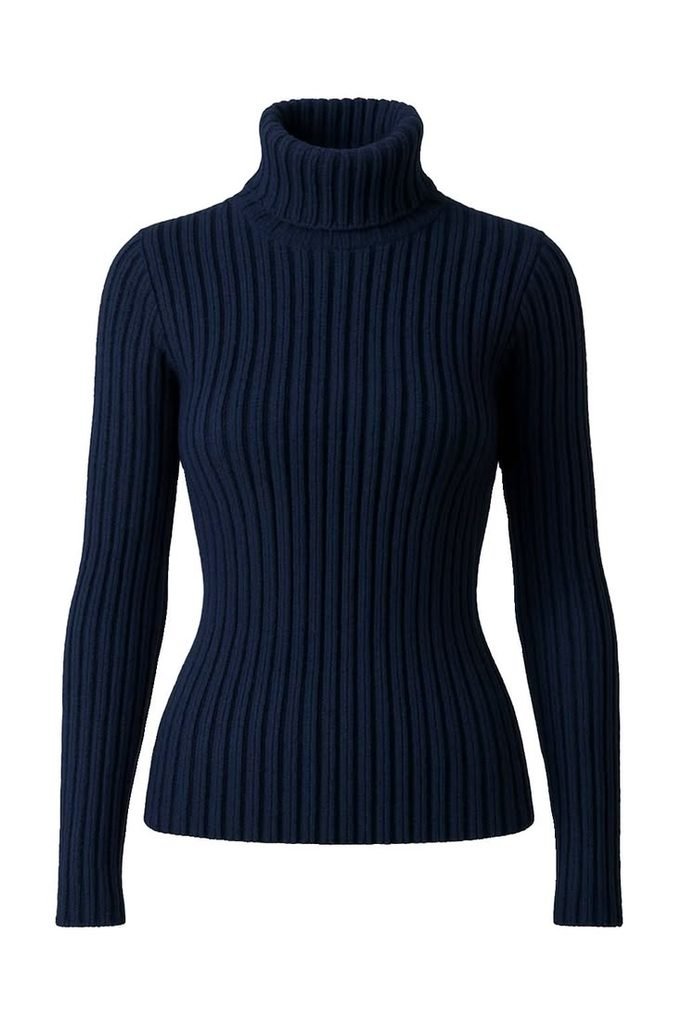
A fitted turtleneck in black or cream is a useful winter staple. Choose a lightweight fabric that sits comfortably against your skin and fits easily underneath sweaters and blazers.
Fine-Gauge Merino Knit
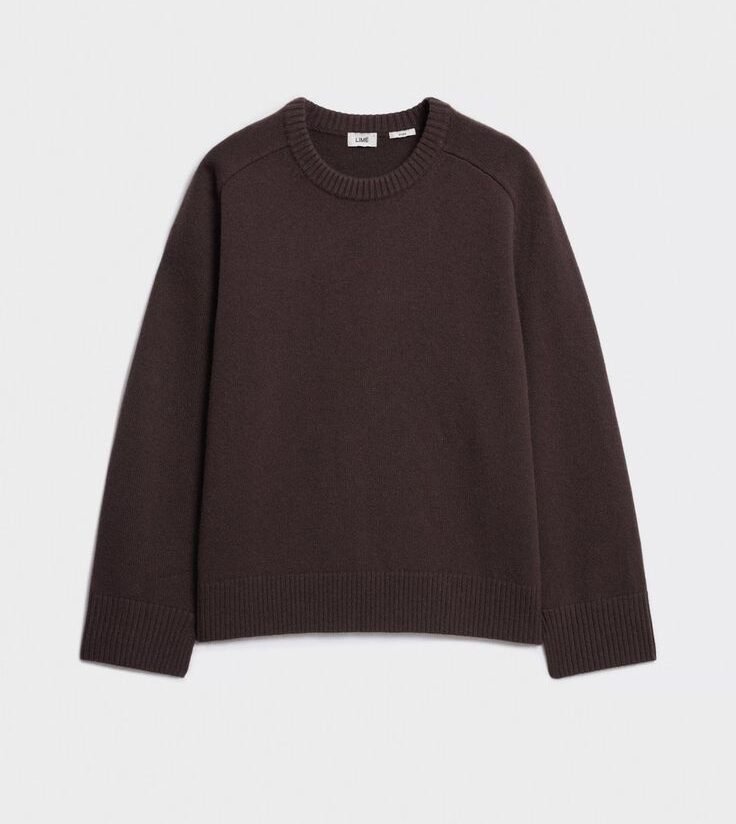
A lightweight merino knit in heather gray or camel provides warmth without adding too much bulk. It’s also easy to tuck into jeans or tailored pants.
Classic Button-Down Shirt
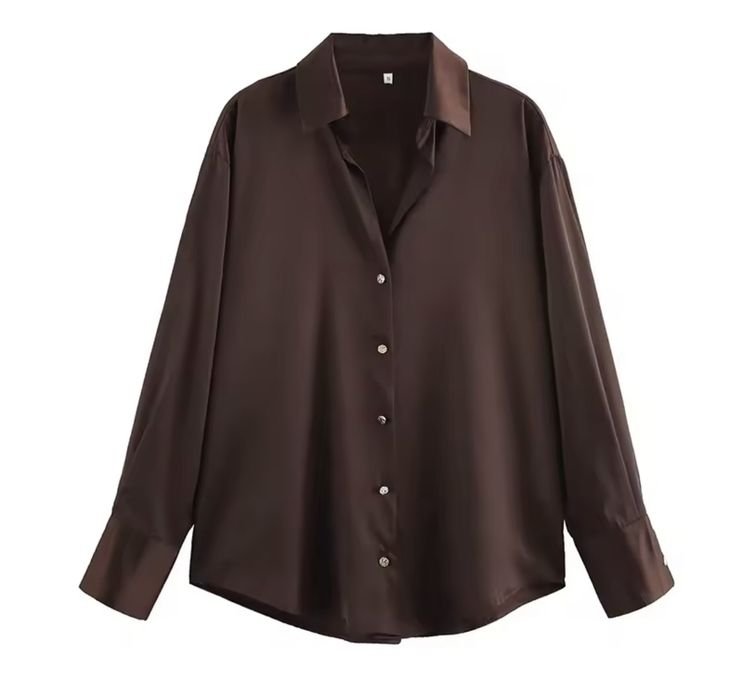
A white or light blue button-down shirt is useful for work and casual wear. You can wear it on its own or underneath a crewneck sweater.
Ribbed Long-Sleeve Tee
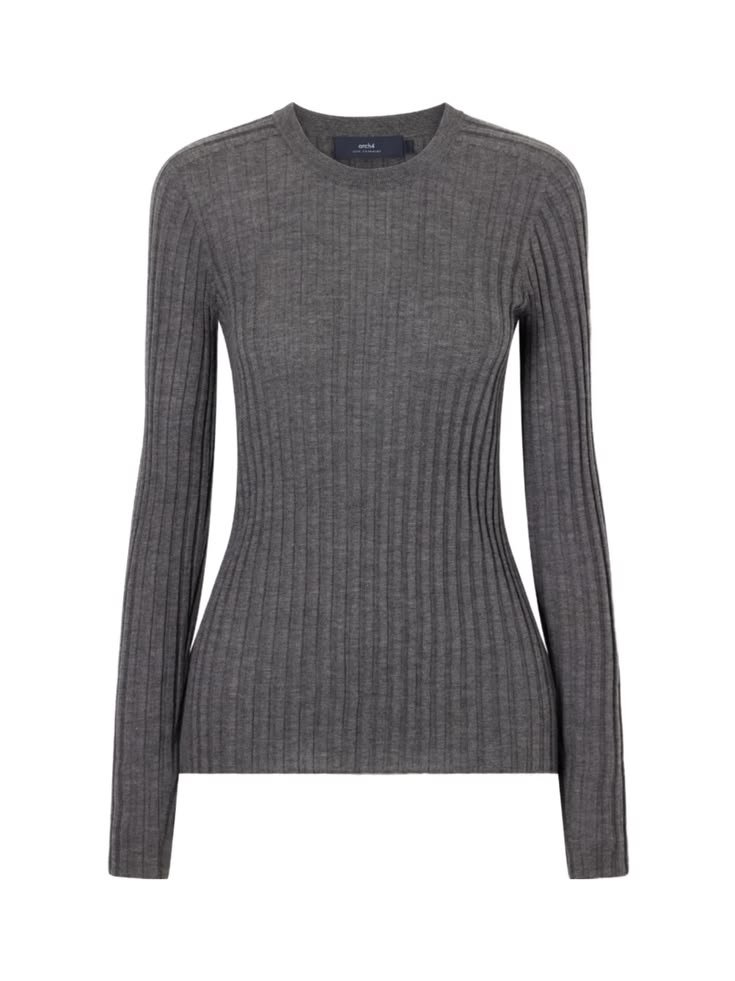
This is a good everyday option for milder winter days or when you need an extra layer under a cardigan or jacket. Black, white, and gray are easy colors to start with.
Bodysuit
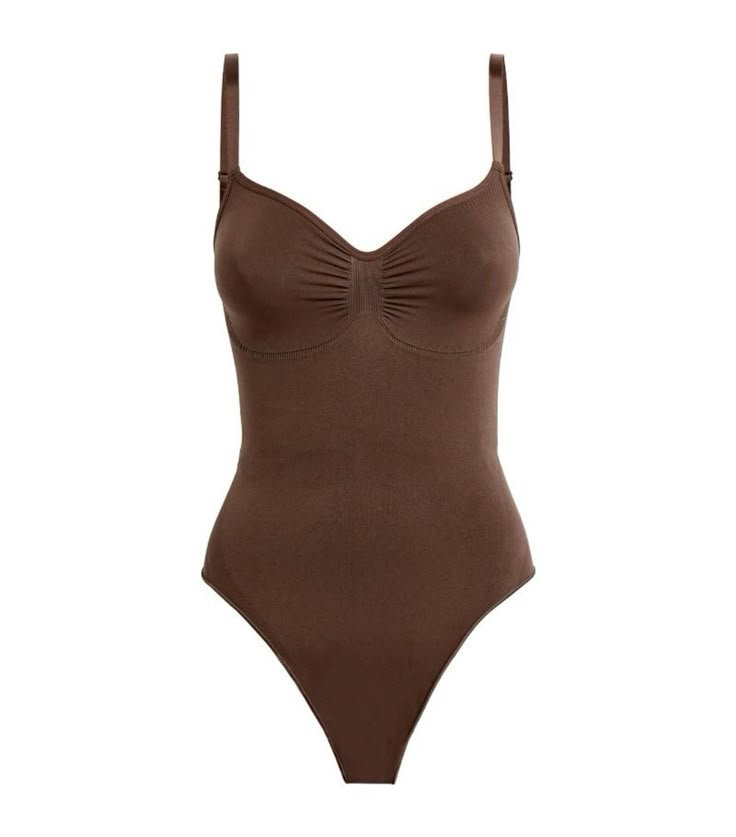
If you prefer tops that stay tucked in, a bodysuit is worth considering. It works particularly well with high-waisted jeans and tailored pants.
Thermal Top
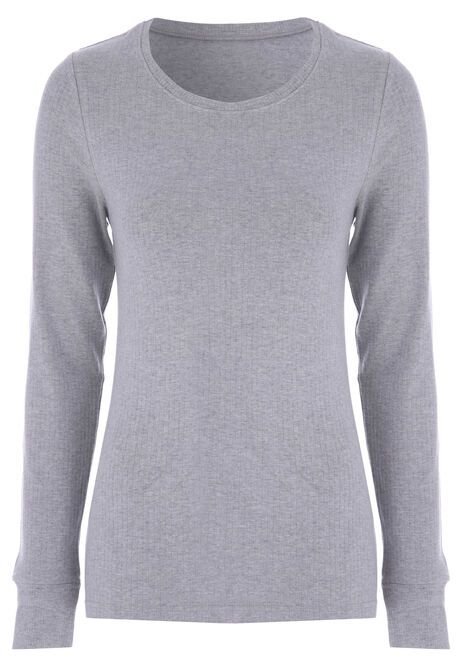
For colder temperatures, a lightweight thermal top adds warmth underneath your regular clothes without requiring another thick layer.
Winter Sweaters and Mid-Layers
Sweaters and mid-layers are an important part of winter clothing. They provide extra warmth and give you more options when dressing for different temperatures. It’s useful to have a mix of lightweight knits and thicker sweaters so you’re not relying on the same type of clothing every day.
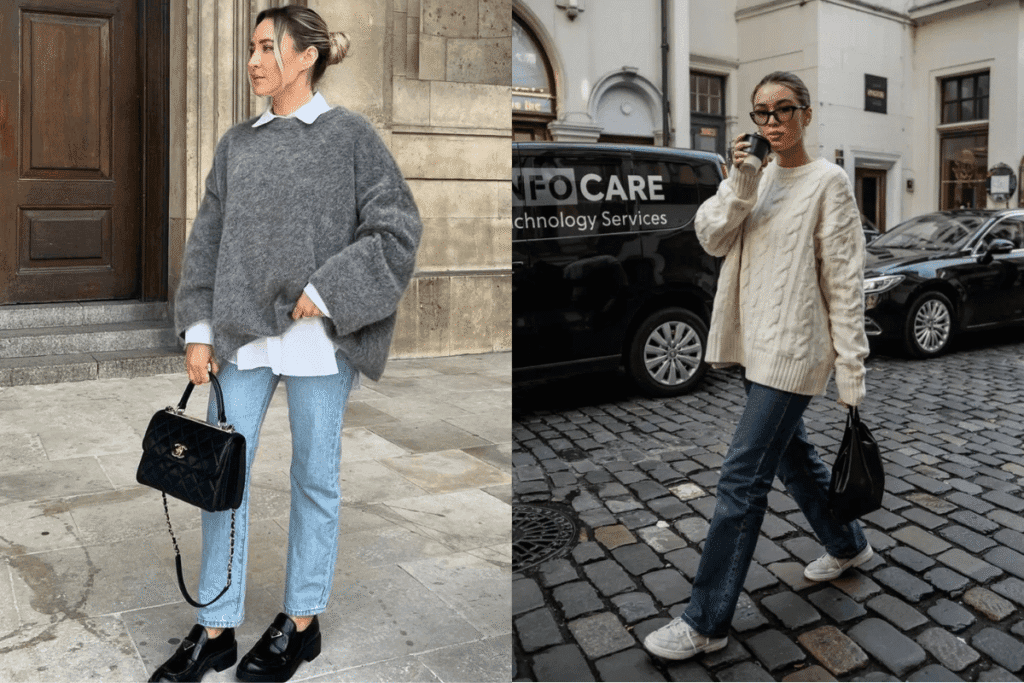
SWEATER AND JEANS OUTFITS TRENDING RIGHT NOW
The Outfit Combinations You’ll Want To Save.
Heavyweight Cashmere Crewneck
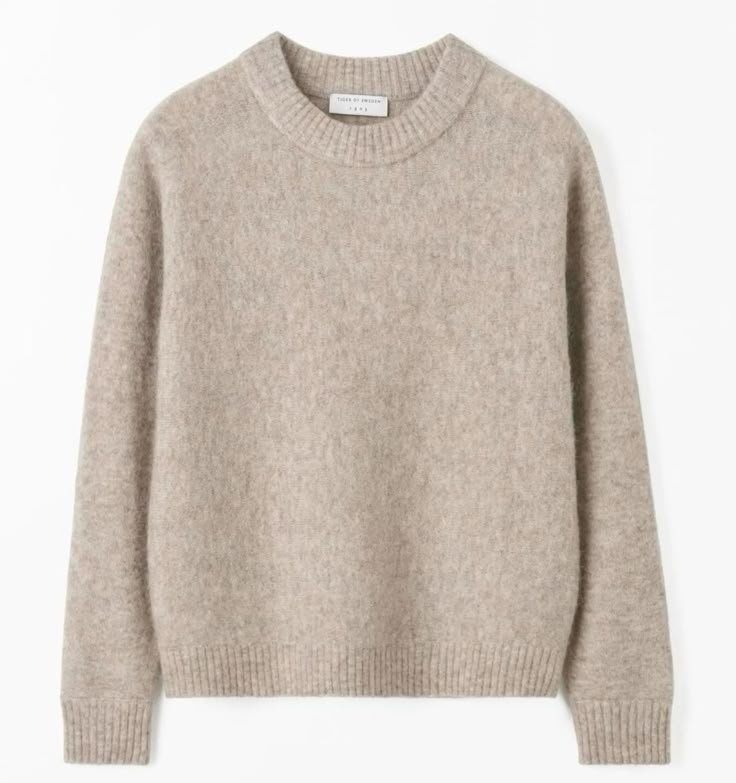
A cashmere crewneck in oatmeal is a classic winter choice. Look for a comfortable fit that isn’t too tight, with enough room to wear a shirt underneath if needed.
Cable-Knit Cardigan
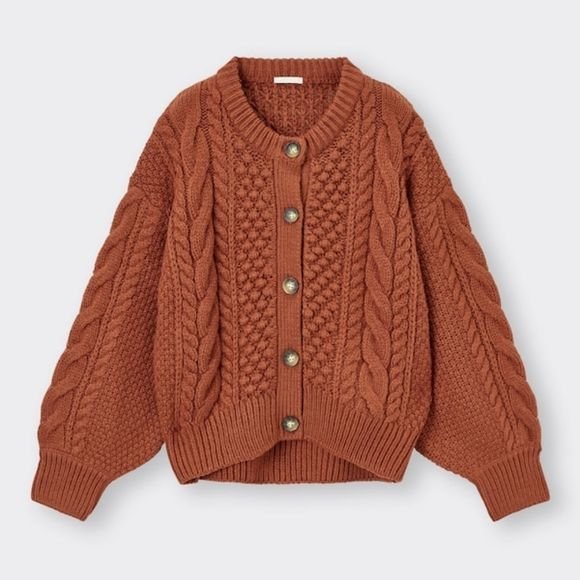
A chunky cardigan adds warmth and can be worn open over a basic top or buttoned up on its own. Cream, camel, and gray are versatile choices.
Oversized Structured Blazer
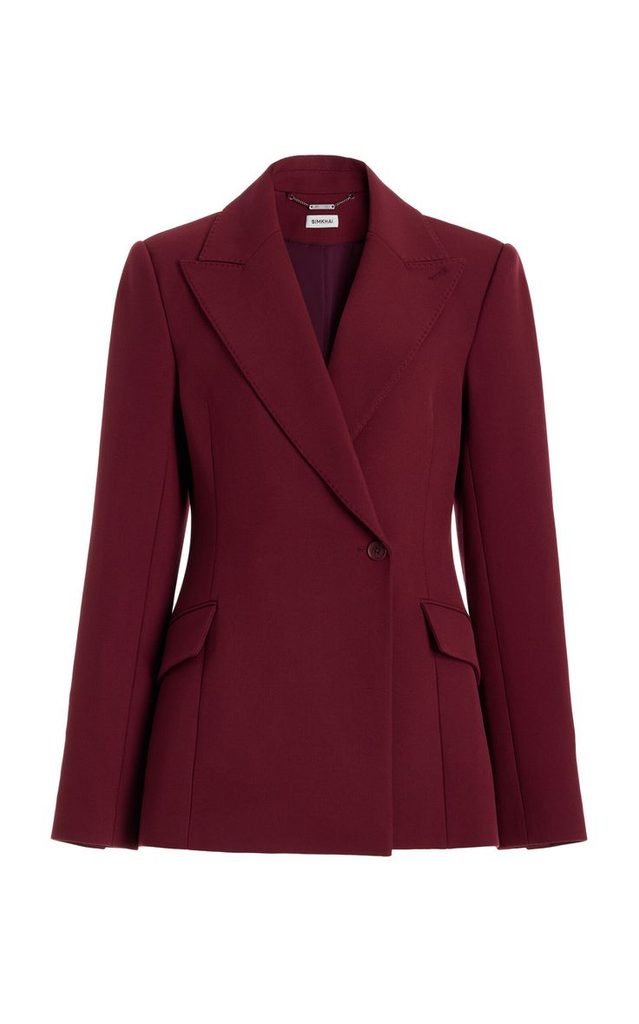
A wool-blend blazer in chocolate brown or houndstooth is a good option for work and slightly dressier occasions. Look for a style with enough room to wear a sweater underneath.
Half-Zip Pullover
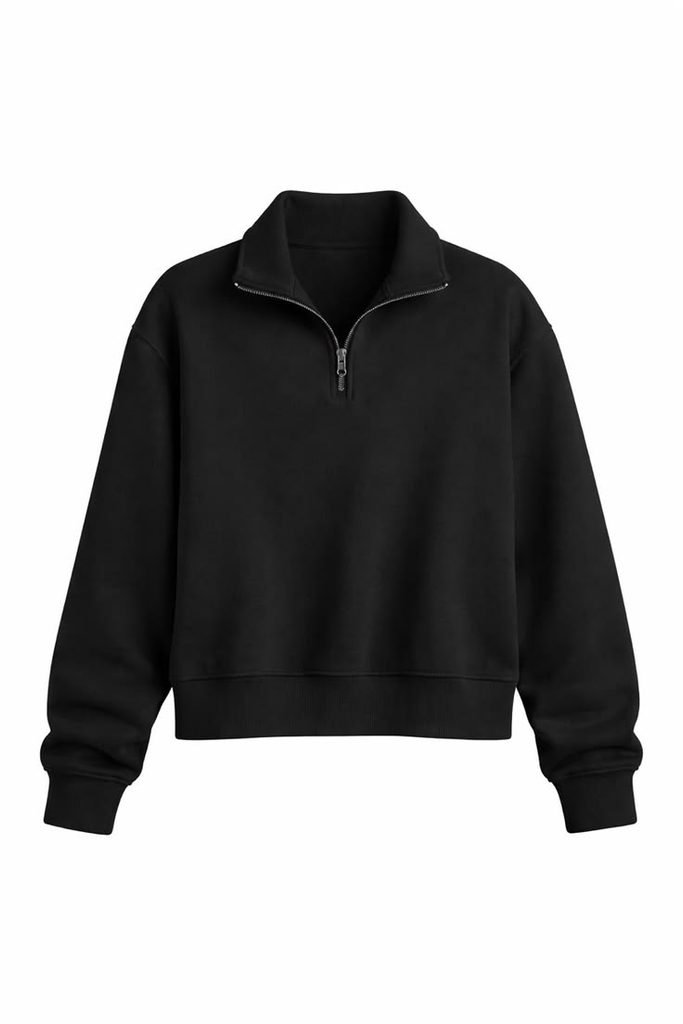
If you prefer casual clothing, a half-zip sweater or fleece is a useful addition. It’s comfortable for everyday activities and easy to wear on weekends.
Chunky Turtleneck Sweater
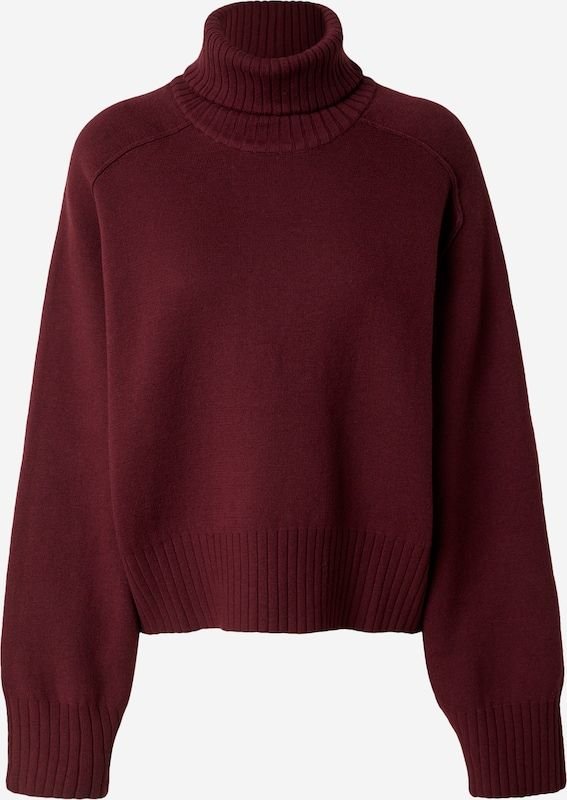
For particularly cold days, a thicker turtleneck provides extra warmth around your neck. Choose a slightly relaxed fit so you can wear it comfortably throughout the day.
What Bottoms to Wear in Winter
Winter bottoms should be comfortable enough for everyday activities while giving you options for work, casual outings, and evenings out.
Having a mix of tailored pants, denim, and skirts makes it easier to vary your wardrobe.
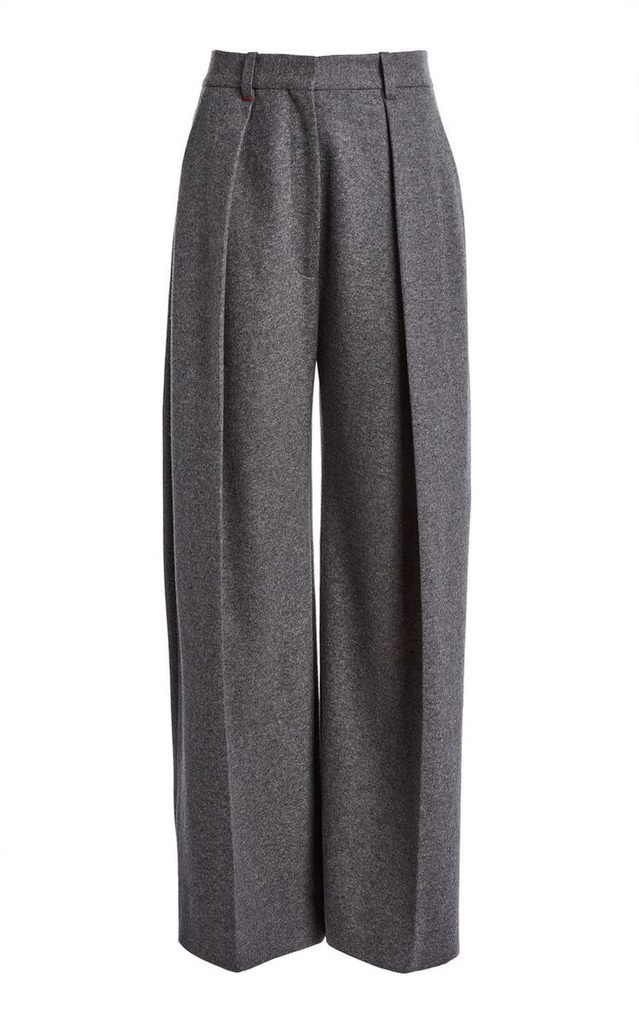
Tailored Pleated Wool Pants
Wide-leg wool pants in black or taupe are a great choice for colder months. High-waisted styles with a relaxed leg are comfortable and work well with ankle boots.
Raw Denim Straight-Leg Jeans
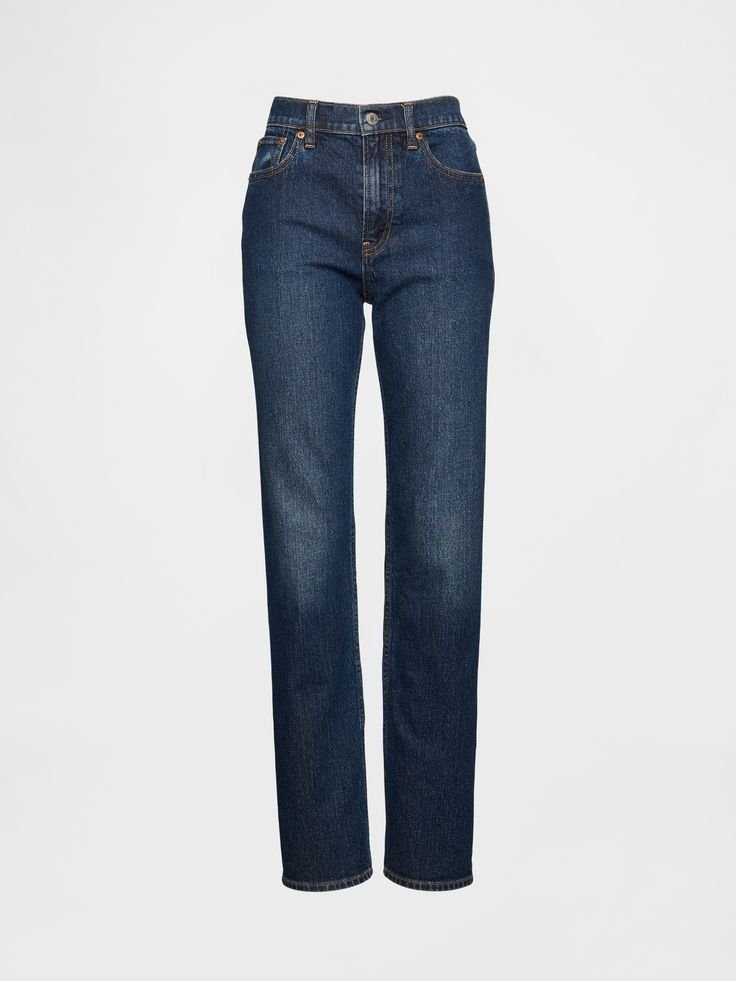
Deep indigo straight-leg jeans are a useful everyday option. If you like a more structured fit, look for heavier 100% cotton denim.
Black-Wash Jeans
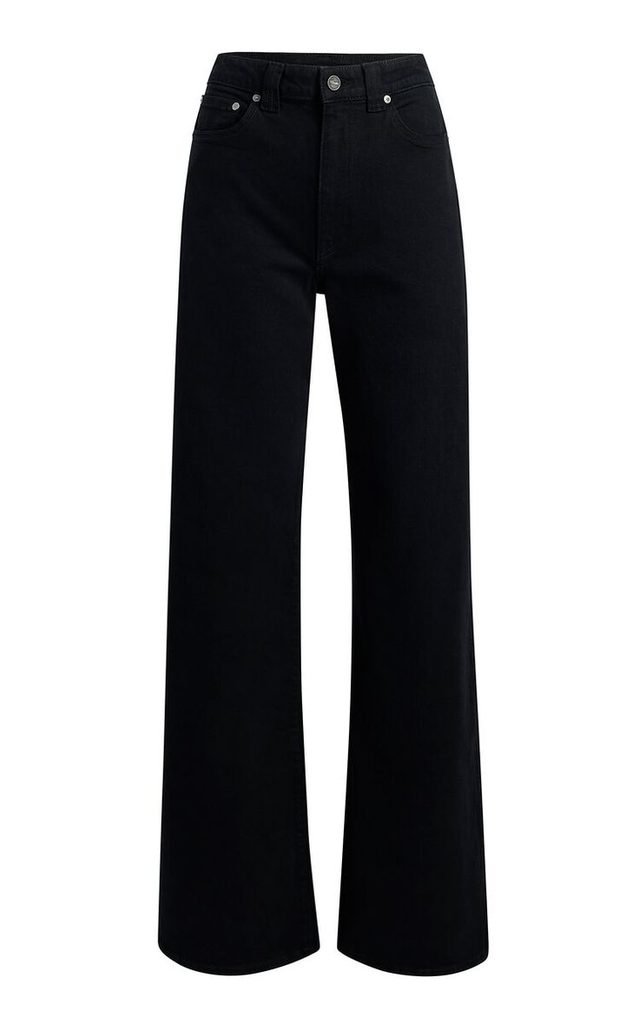
Black denim is easy to wear and works for both casual and slightly dressier occasions. Straight-leg and slim styles are both worth considering.
Knit Midi Skirt
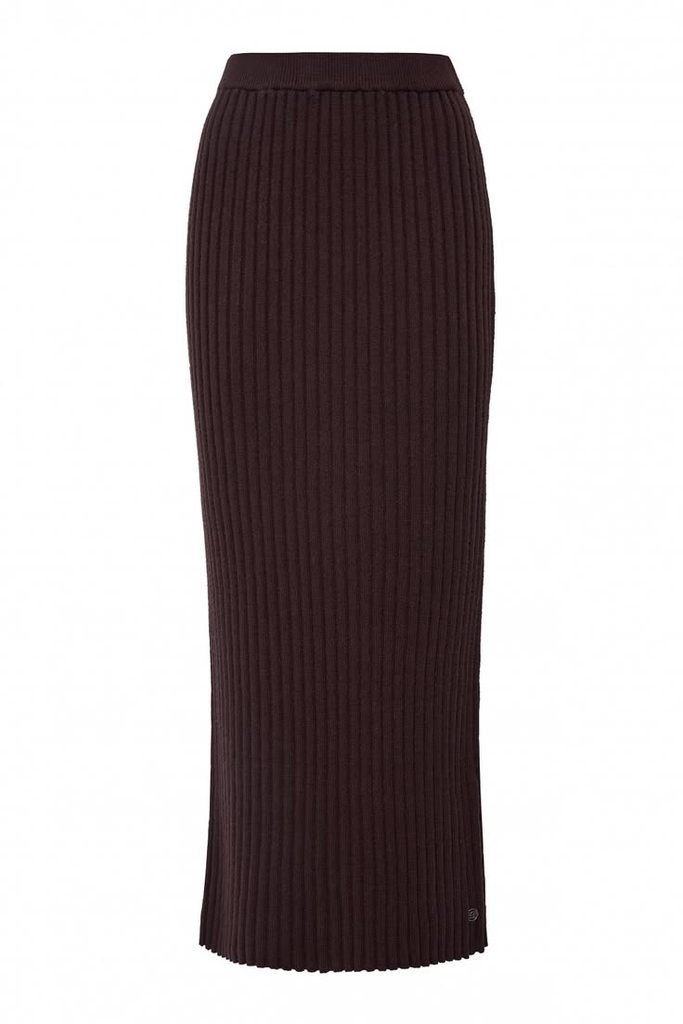
A ribbed knit midi skirt is a good alternative to pants. You can wear it with a sweater and warm tights when the temperature drops.
Leather Pants
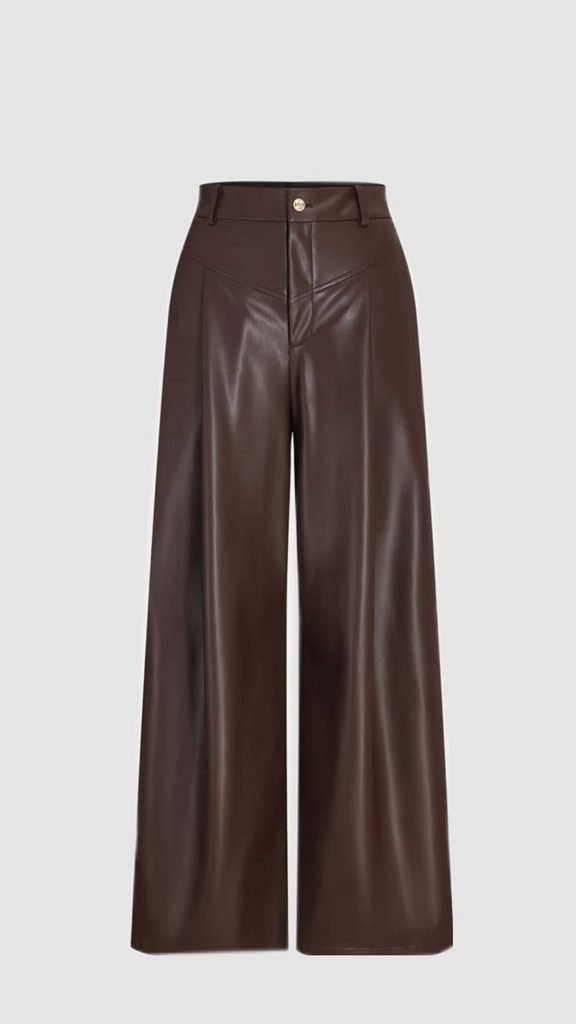
Real or faux leather pants add variety to a winter wardrobe. Black and dark brown are versatile choices that work with neutral sweaters and tops.
Winter Coats and Jackets
Your choice of outerwear depends largely on the temperatures and weather in your area.
A wool coat works well for everyday winter wear, while a properly insulated parka is more suitable for snow and freezing temperatures.
Having a couple of different options can make a big difference throughout the season. Here are my recommendations for you.
Double-Breasted Wool Wrap Coat
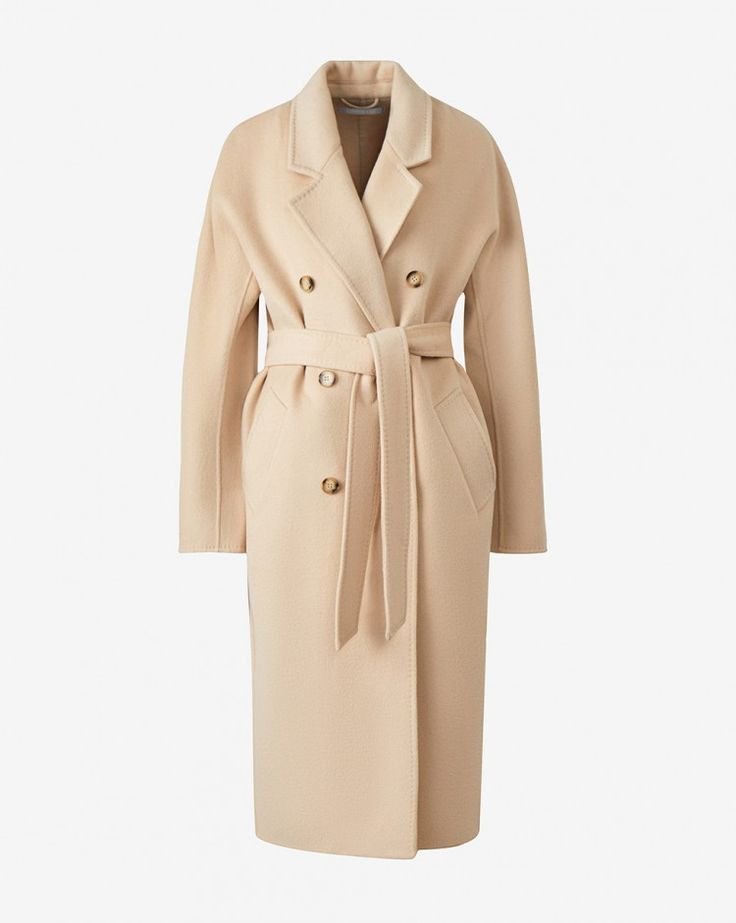
A camel or charcoal wool coat is a classic option for work and everyday wear. A mid-calf length provides good coverage, while a wool or wool-cashmere blend offers warmth.
Down Puffer Parka
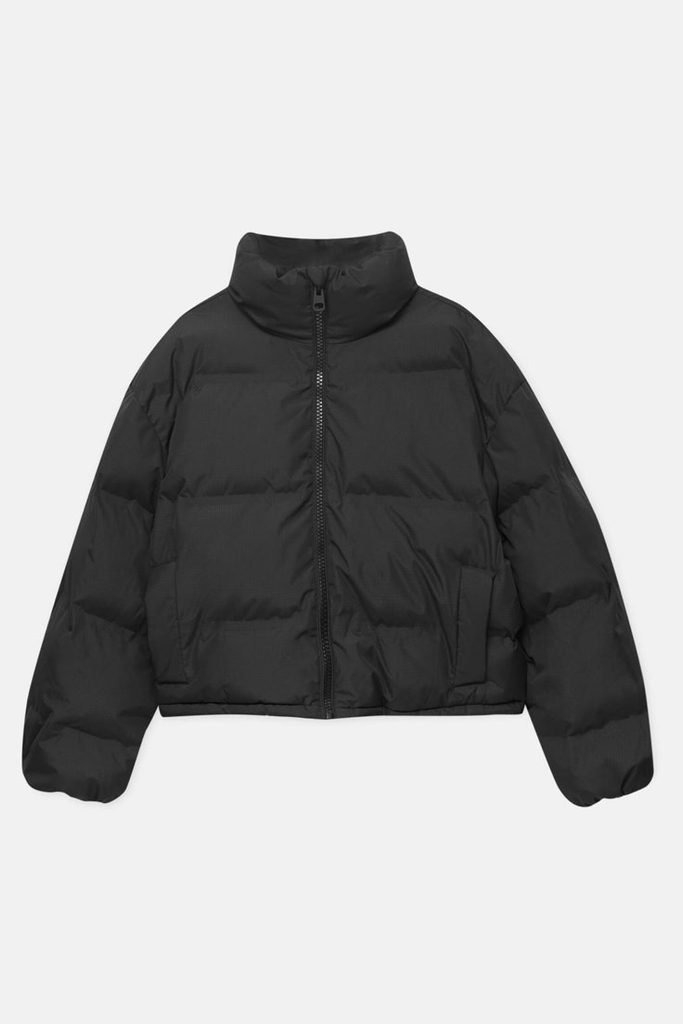
If you experience very cold winters, a down parka is worth considering. Look for suitable insulation, a weather-resistant outer fabric, and a hood for added protection against snow and wind.
Shearling or Teddy Jacket
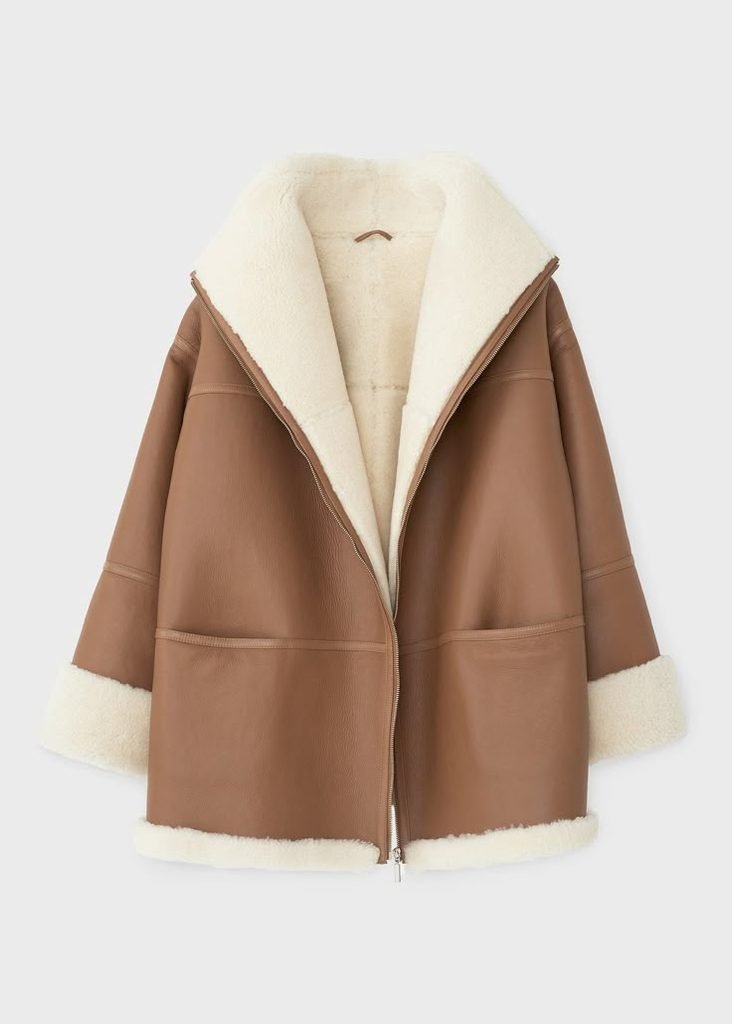
A shorter shearling or teddy-style jacket is a good option for casual wear. It adds warmth and works well when you don’t need a long coat.
Tailored Car Coat
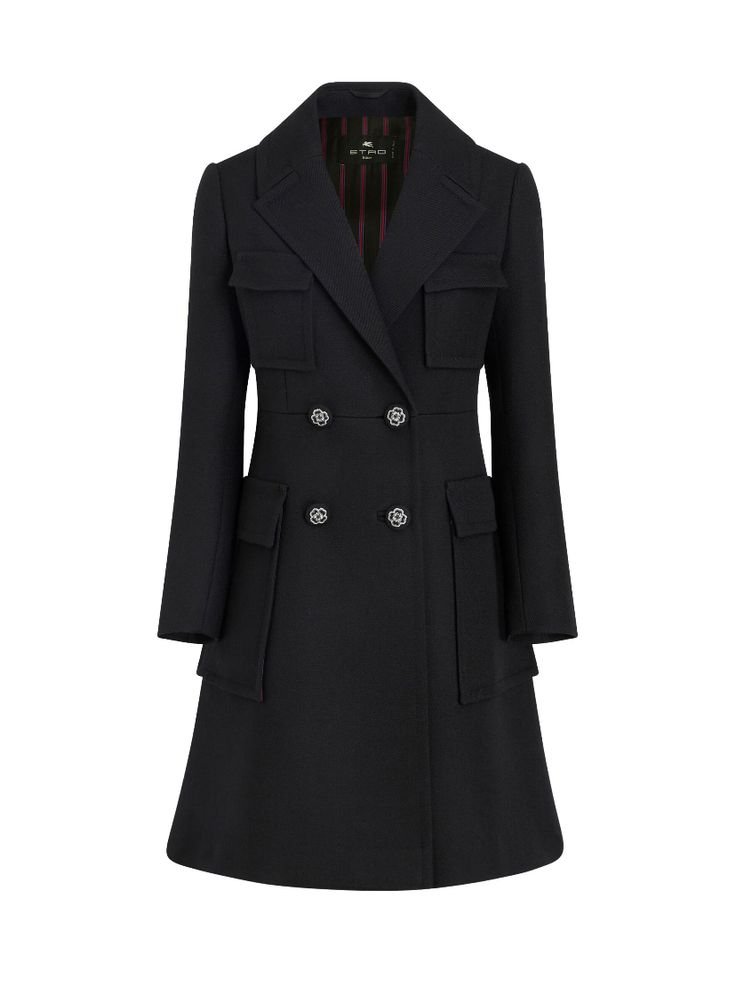
A car coat usually falls around mid-thigh and has a more streamlined shape than a long overcoat. It’s a practical choice for commuting and everyday wear, particularly in moderately cold weather.
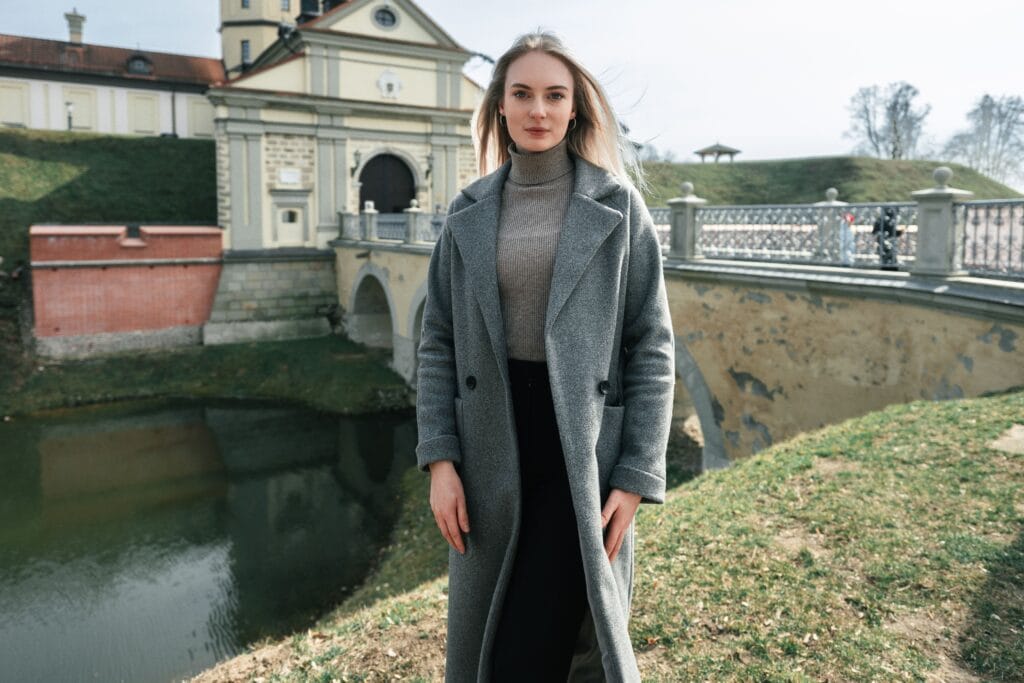
TRENCH COAT OUTFITS YOU’LL KEEP COMING BACK TO
7 Easy Looks You Can Create With a Trench Coat.
Winter Dresses
You don’t have to give up dresses just because the weather gets colder. The right fabrics and lengths make it possible to include them in your winter wardrobe, too. Look for styles that offer more coverage and enough room for comfortable layering.
Sweater Dress
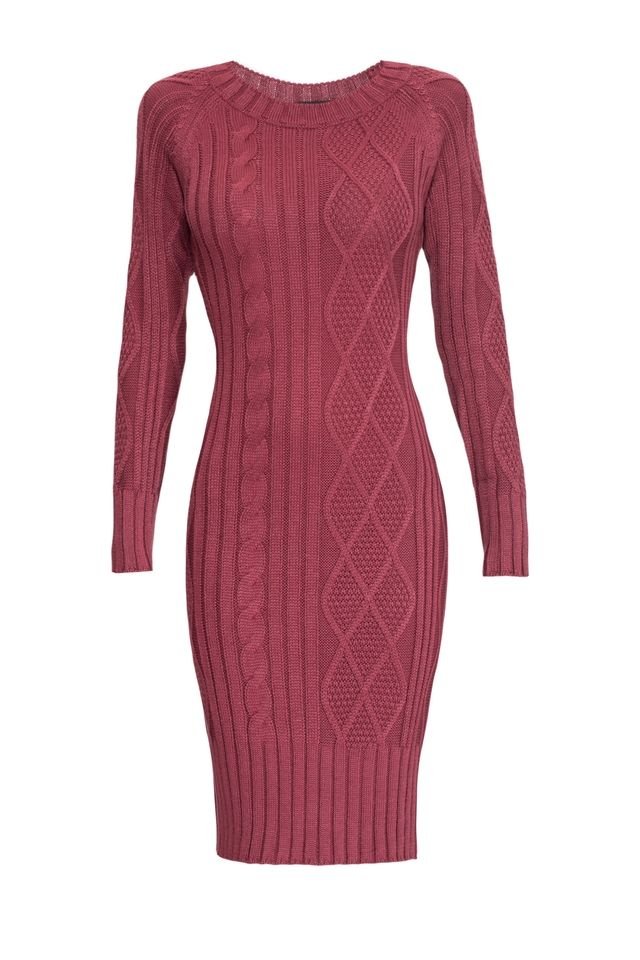
A sweater dress in wool, cashmere, or a warm knit blend is a useful option for colder days. You can choose a fitted or relaxed style depending on what you prefer.
Long-Sleeve Knit Dress
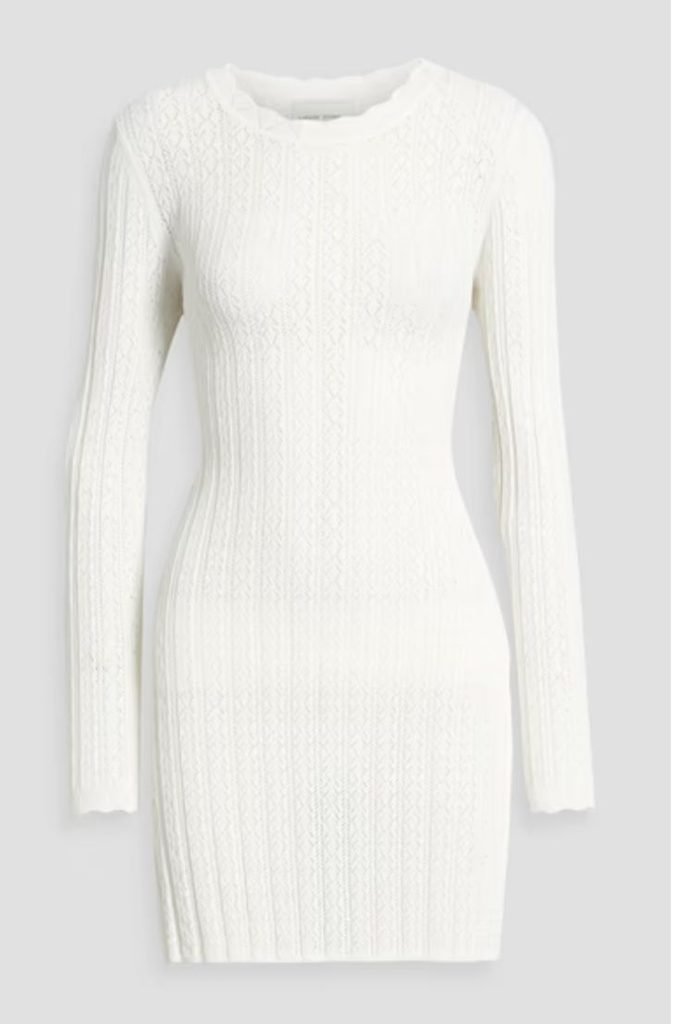
A long-sleeve midi dress is another option for everyday wear and slightly dressier occasions. Neutral shades such as black, gray, and camel are easy to coordinate.
Winter Shoes and Boots
Footwear deserves some thought when putting together a winter wardrobe. You want shoes that are comfortable to walk in and suitable for the weather, without limiting the kinds of clothes you can wear.
Leather Ankle Boots
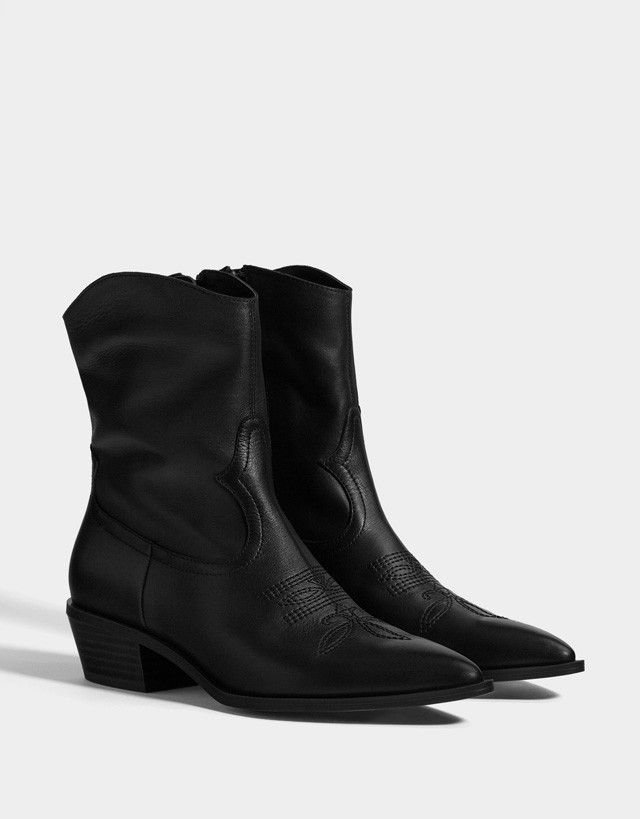
A pair of black or brown ankle boots works well with jeans, tailored pants, and skirts.
Knee-High Boots
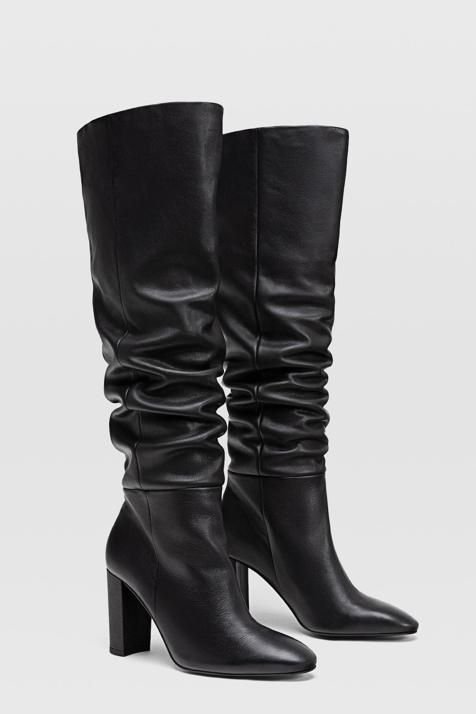
These are a good choice for wearing with midi skirts, dresses, and slim-fitting pants.
Chelsea Boots
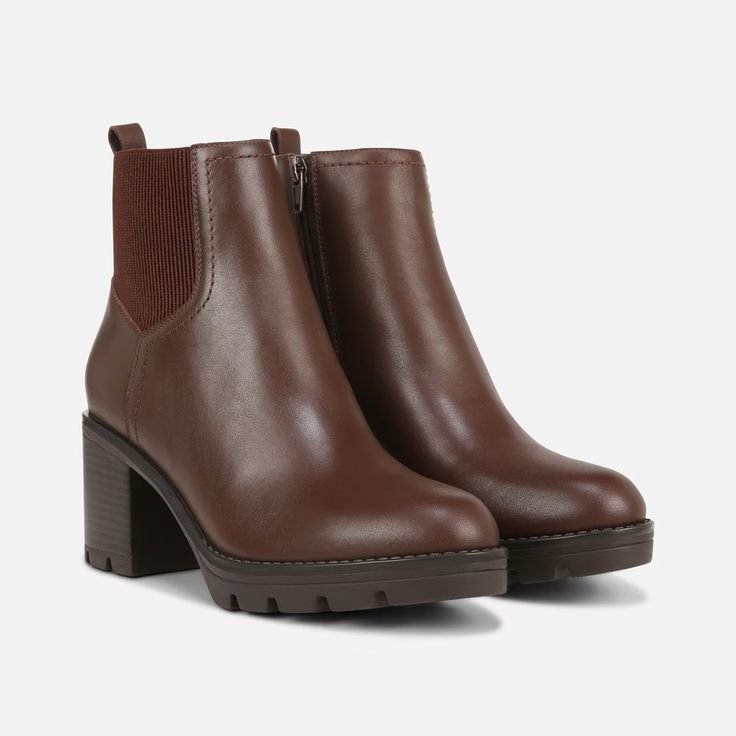
Easy to slip on and comfortable for everyday wear, Chelsea boots are a practical winter footwear option.
Waterproof Winter Boots
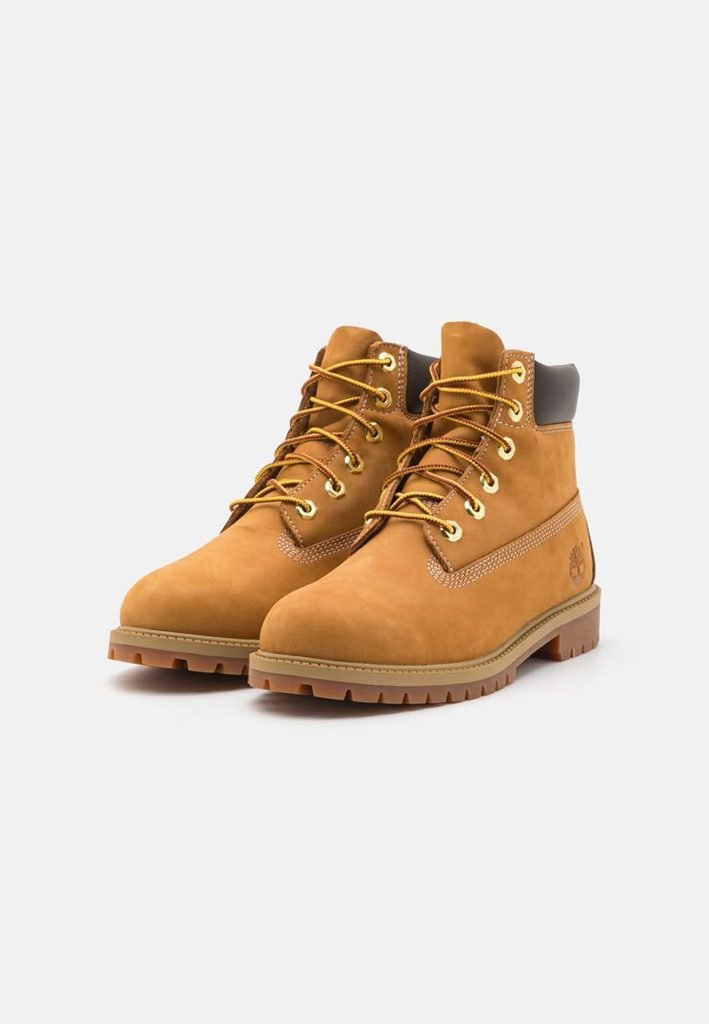
If you experience snow, slush, or heavy rain, waterproof boots with good traction are worth having.

DON’T MISS THESE SHACKET OUTFITS
The Shacket Look Everyone Is Wearing Right Now!
Winter Accessories
Winter accessories are easy to overlook when planning your wardrobe, but they’re important once temperatures start dropping. They also give you a few more options for adding color and variety.
Wool or Cashmere Scarf
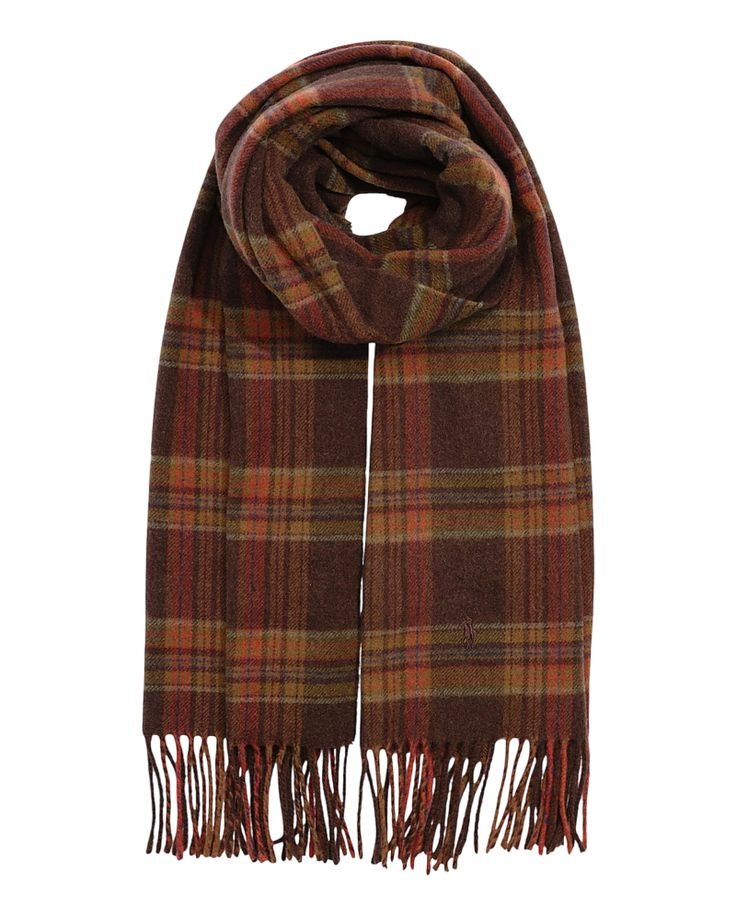
A warm scarf in camel, gray, cream, or burgundy is useful for colder days.
Beanie
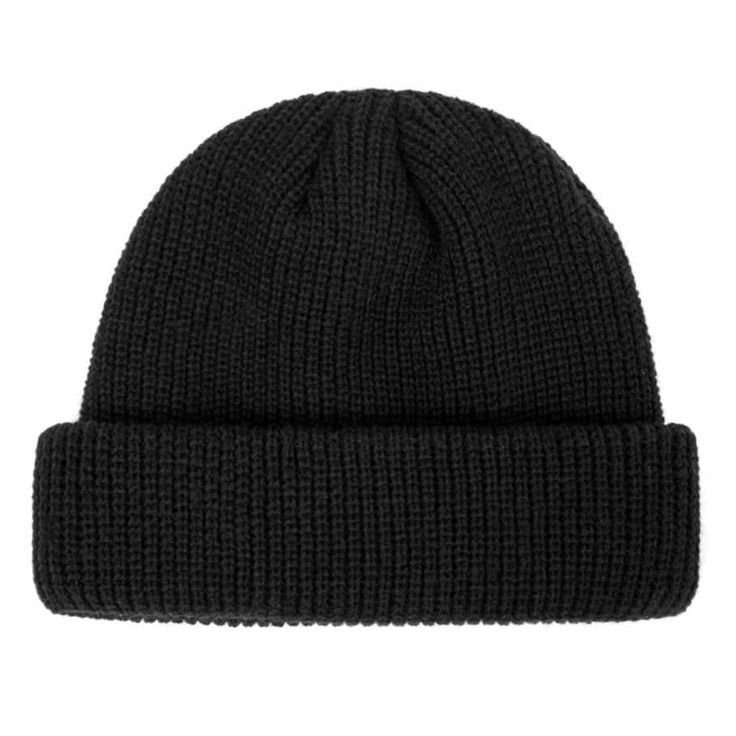
A knitted beanie helps keep your head warm. Neutral shades are easy to coordinate with different coats.
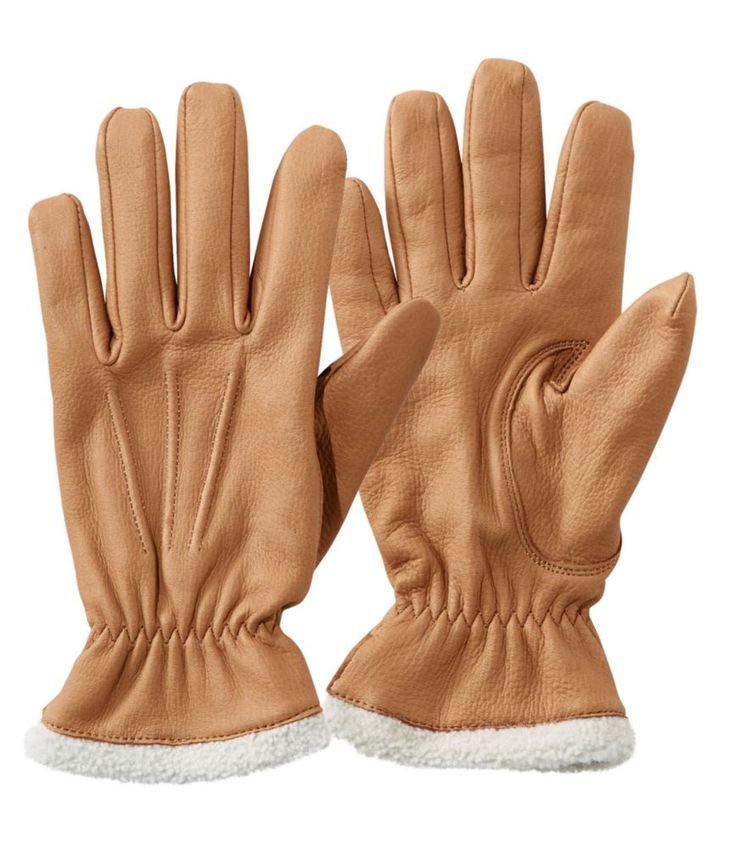
Leather or Insulated Gloves
Choose gloves that provide enough warmth for the temperatures in your area.
Wool Socks
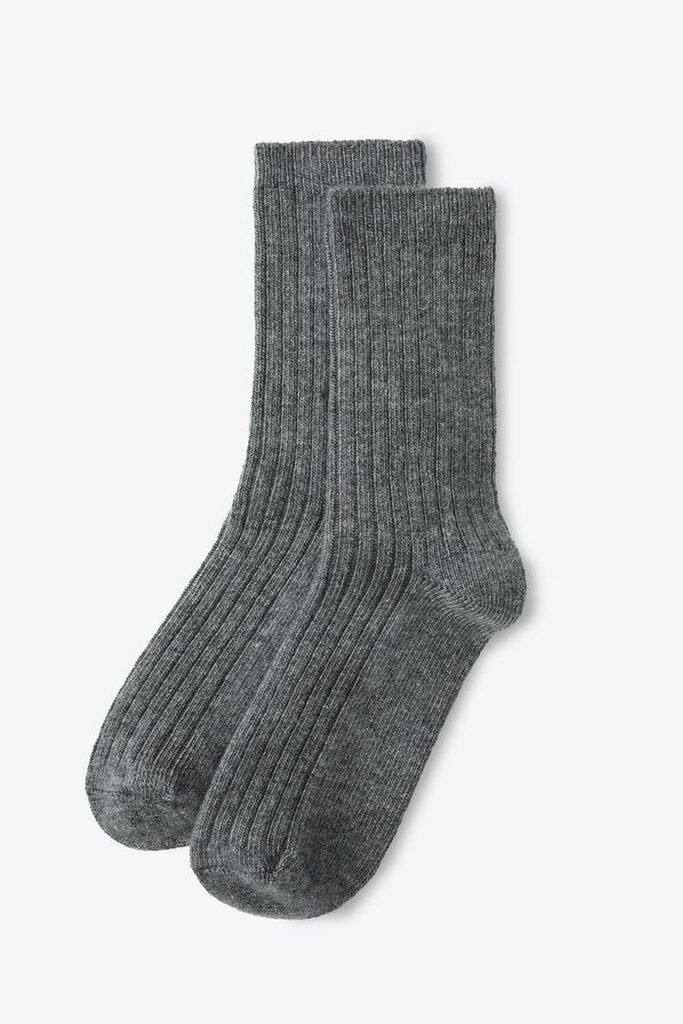
Thicker wool socks are especially useful when wearing boots in cold weather.
Thermal Tights
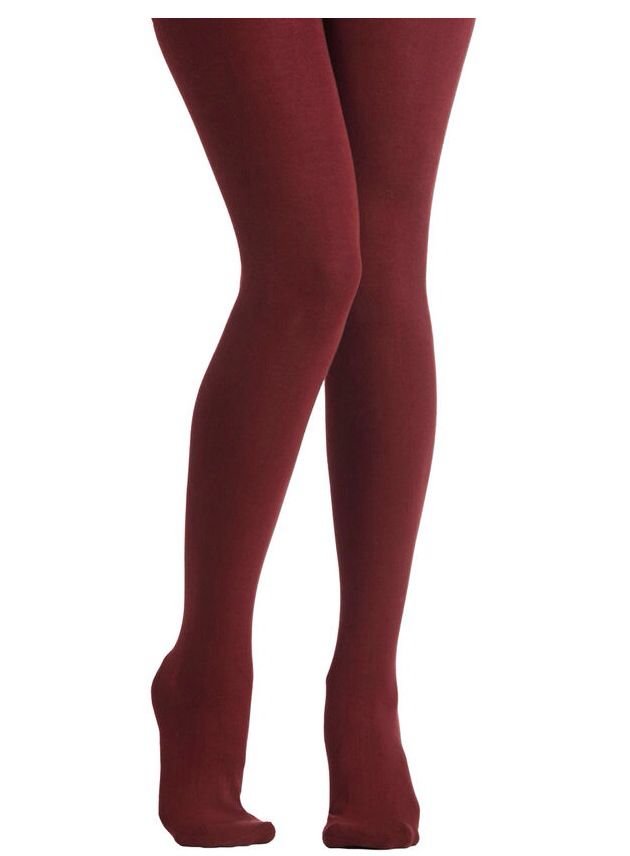
These are worth considering if you enjoy wearing skirts and dresses during winter.
Putting Together Your Winter Outfits
Now that you have an idea of what belongs in a winter wardrobe, let’s me tell you how you can wear these clothes together.
But before that, let me make one thing clear: you don’t need a completely different set of clothes for every occasion. A few simple combinations can work for the office, weekends, and even dinner plans.
Here are three winter outfit ideas to get you started.
Office Look for Winter
Start with a black silk-blend turtleneck and layer a chocolate brown wool blazer over it. Pair these with taupe wide-leg pants and a slim black belt.
Finish with black pointed-toe ankle boots and a camel wool wrap coat. The combination of black, brown, and taupe works particularly well for a smart office look.
The Easy Weekend Winter Look
For a casual weekend, wear an oatmeal cashmere crewneck over a white button-down shirt, letting the collar peek out.
Pair it with deep indigo straight-leg jeans and black Chelsea boots. If it’s particularly cold outside, add a black puffer jacket for extra warmth.
Dinner Look for Winter
For dinner plans, try a cream fine-gauge merino sweater with matching cream wool pants.
Add beige or cream square-toe boots and finish with a camel wrap coat. Keeping the colors within the same family creates a coordinated look without needing too many additional details.
How to Dress for Different Winter Temperatures
Not every winter day calls for the same number of layers.
You might be comfortable in a sweater and blazer on a mild afternoon, but need a thermal top and a heavier coat when temperatures drop.
Here’s how you can adjust your winter clothing for different weather conditions.
Mild winter days (45°F to 60°F)
You probably won’t need your heaviest coat on these days. A fine-gauge merino sweater with a blazer, straight-leg jeans, and loafers or ankle boots should be enough for many people. If the weather gets windy, you can add a lightweight jacket.
Cold winter days (32°F to 45°F)
This is when adding an extra layer makes sense. Start with a fitted turtleneck, wear a cashmere sweater over it, and finish with a wool wrap coat. Wool pants and leather ankle boots are good choices for the lower half.
Freezing winter days (Below 32°F)
When temperatures fall below freezing, you’ll need more than your regular winter layers. Start with a thermal base layer, add a warm sweater, and wear an insulated down parka over it.
Wool pants, thermal tights where appropriate, waterproof winter boots, and thick wool socks can provide additional warmth. Gloves, a scarf, and a beanie are also worth having, particularly when it’s windy or snowing.
Keep in mind that these temperature ranges are general guidelines. Wind, rain, snow, and how much time you spend outdoors can all affect how warmly you need to dress.
Simple Winter Styling Tips to Keep in Mind
You don’t have to make big changes to your wardrobe to get more out of your winter clothes. Sometimes, a few small details can make your clothes more comfortable and easier to wear.
Pay Attention to Pant Lengths
Straight-leg jeans and wide-leg pants should fall at a length that works with your footwear. If they’re too long, they can drag on the ground, while a hem that’s too short can make the proportions look unbalanced.
Wear Tights Under Skirts And Dresses
If you enjoy wearing skirts and dresses in winter, thermal or fleece-lined tights are worth considering. They add warmth without requiring you to give up the styles you enjoy.
Choose Socks That Work with Your Shoes
When wearing loafers or ankle boots, pay attention to the thickness and length of your socks. Wool and cashmere-blend socks are good options for colder days.
Avoid Wearing Too Many Bulky Layers
You want enough room to move comfortably. If you’re wearing a chunky sweater, try pairing it with a coat that has enough space through the shoulders and sleeves.
I hope this guide has helped you figure out what clothes you need for winter and how to put together a winter wardrobe that works for you.
For more outfit ideas, and styling tips, don’t forget to subscribe to my newsletter. I’d love to have you join!