How to Buy a Designer Bag: The Complete Guide for First-Time Buyers
Buying a designer bag is a big deal. It’s a real investment, and it should feel exciting, not stressful.
Social media makes it easy to fall for the latest “it” bag, but the best luxury purchases are the ones that fit your everyday life, hold up to regular wear, and are still bags you love years down the road.
Whether you’re saving up for your first luxury bag or adding another designer bag to your collection, let me help you figure out what to look for, what to avoid, and how to choose a bag you’ll actually love using.
After all, you don’t want to spend hundreds or thousands of dollars on a bag that looks great online but doesn’t work for you in real life.
How to Choose a Designer Bag That Fits Your Lifestyle
A beautiful designer bag can easily catch your eye, but before making a purchase, consider how well it will fit into your everyday life.
Are you looking for something to carry to work, a bag for running errands, or one you can take along for dinner and special occasions?
The right choice depends on how you plan to use it, how much you usually carry, and where you’ll be taking it.
For Work and Daily Commutes
- Structured tote bags
- Roomy satchels
Both styles are worth looking at if you need a bag for work or your daily commute.
Choose a design with comfortable shoulder straps, a sturdy base that holds its shape, and enough room for everyday essentials like your laptop, a pouch, and a water bottle.
For Shopping Trips, Errands, and Travel
- Crossbody bags
- Belt bags
Both are great options when you’re out and about. They leave your hands free and are easier to carry around throughout the day.
Look for lightweight materials and secure zip-top closures to keep your belongings in place while you’re out.
For Brunch and Dinner
- Medium-sized shoulder bags
- Convertible bags with removable straps
These give you more flexibility when moving between different occasions.
You can switch up how you carry the bag depending on your plans, without needing a completely different bag for brunch and dinner.
For Special Occasions
- Top-handle bags
- Clutches
- Compact evening bags
These can complement formal outfits without requiring space for all your everyday essentials. They’re better suited to carrying just the basics when you’re heading out for an event or dinner.
Pro tip: Before making a purchase, consider everything you usually carry, from your phone and wallet to your keys, sunglasses, hand sanitizer, and lip balm.
Check the bag’s dimensions and interior capacity against your everyday needs. When shopping online, look at the measurements and product photos carefully. In a store, you can get a better feel for the bag’s size and ask the sales associate about its capacity.
The idea is to make sure there’s enough room for your essentials without buying a bag that’s either too small or unnecessarily large.
Understanding Different Designer Bag Materials
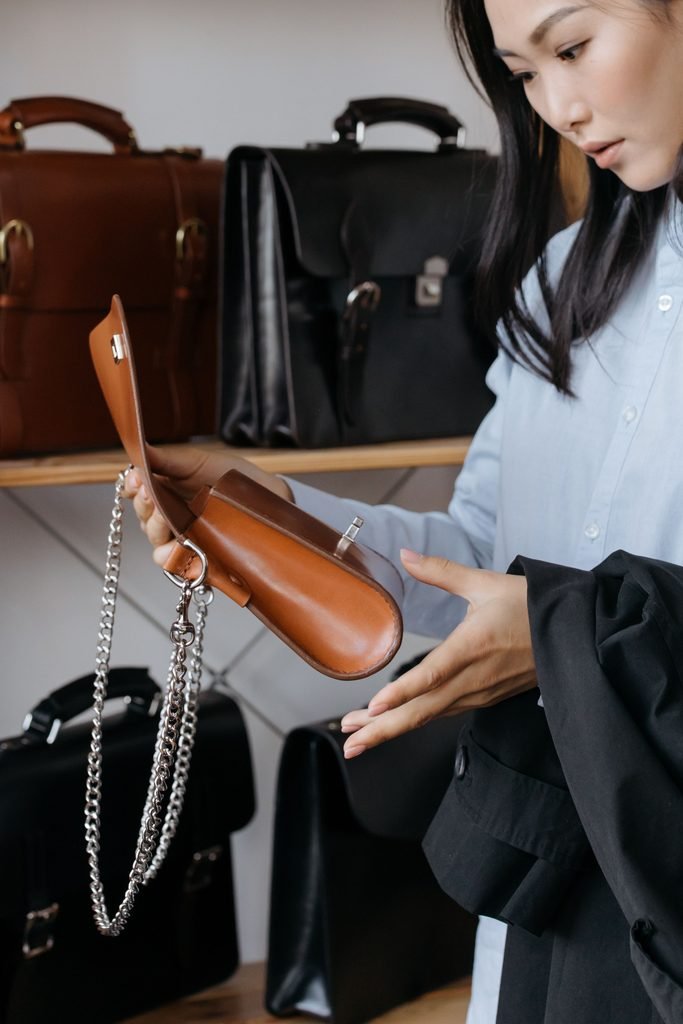
The material you choose plays a big part in how much care your bag needs and how it will look five years from now.
Some materials are better suited to everyday use, while others need a little more attention to keep them looking their best.
| Material | Best For | Pros | Watch-Outs |
| Pebbled or Grained Leather | Everyday wear, first-time buyers | Scratch-resistant, hides scuffs, holds its shape well | Slightly more casual finish than smooth leather |
| Smooth or Box Calfskin | Polished, dressy looks | Sleek, luxurious sheen | Shows fingernail scratches, dents, and water marks easily |
| Lambskin | Evening bags, soft quilted styles | Ultra-soft, plush feel | Delicate; prone to corner wear, creasing, and color transfer |
| Coated Canvas | Heavy daily use, travel, rainy weather | Lightweight, water-resistant, extremely durable | Leather trim and corners still need care; less formal |
| Suede or Nubuck | Fall and winter styling, added texture | Rich, elevated look | Easily stained by rain, oils, and dark denim |
A couple of things to watch out for: Untreated vachetta leather trims can develop water spots, so keep that in mind if you prefer a bag that doesn’t show marks easily.
Light-colored bags also need a little extra care if you regularly wear dark denim. Dye transfer can be particularly difficult to remove once it happens.
What to Check When Buying a Designer Bag
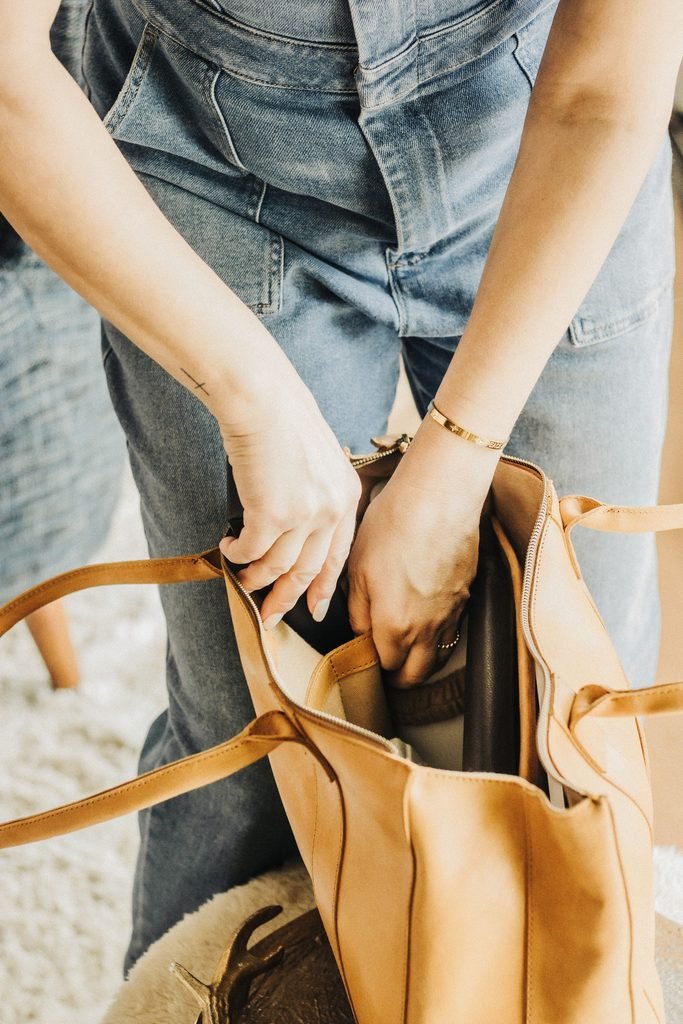
When you’re spending this much on a designer bag, you’re paying for its construction and quality, not just the brand name. If you’re shopping in person, make sure you inspect the exact bag you’re planning to take home. Don’t assume every piece is flawless.
Here are five things worth checking before you pay:
- Stitching: Look for tight, uniform stitches that are evenly spaced. There shouldn’t be any loose threads, skipped holes, or frayed ends.
- Edge Paint (Glazing): Check the sealed edges along the straps, flaps, and handles. They should look smooth and even, without bubbles, cracks, or messy spots.
- Alignment and Symmetry: Patterns, seams, flaps, and hardware plates should sit straight and line up neatly on both sides of the bag.
- Hardware Weight and Finish: Test the zippers to make sure they glide smoothly without catching. Clasps should click shut securely, while metal rings and chains should feel substantial rather than hollow or tinny.
- Interior Lining and Base: Take a look inside to check the lining material, whether it’s suede, leather, or a durable textile. Also check the bottom of the bag for protective metal feet that help prevent scuffing when you set it down.
How to Check a Designer Bag’s Comfort and Fit
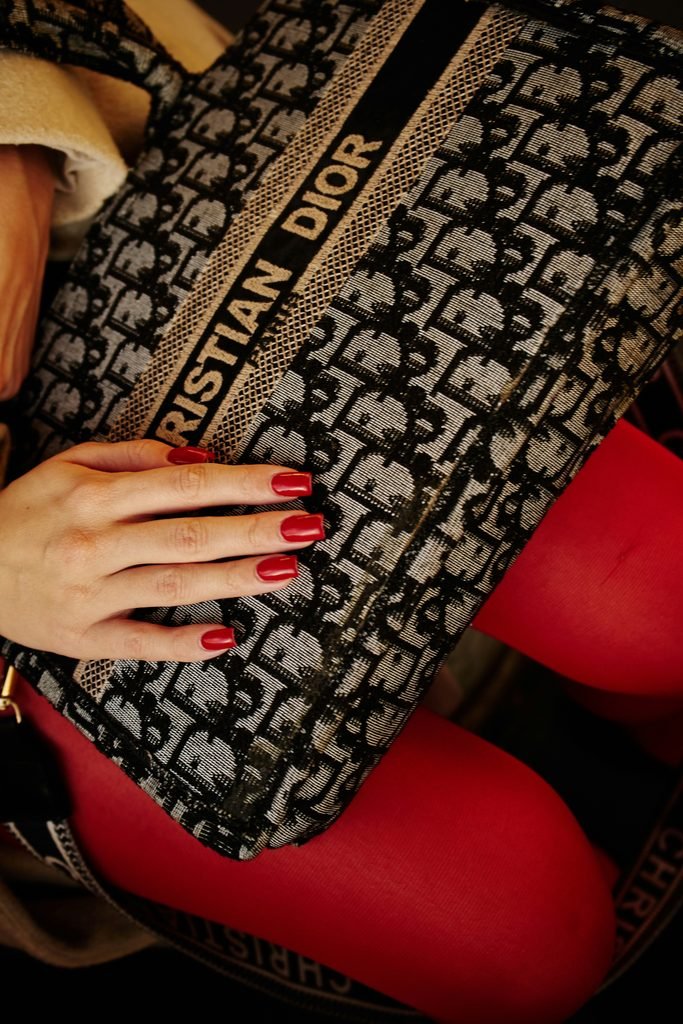
A bag might look beautiful, but comfort matters just as much as appearance. Pay attention to these three things before making your purchase:
- Empty Weight: Pick up the bag and get a feel for its weight before buying.
Heavy hardware, thick chains, and structured leather can make a bag exhausting to carry even before you add your phone and other belongings. - Strap Width and Drop: Thin straps and unpadded chains can dig into your shoulder when the bag is full.
Check the strap width and try the bag over a coat or bulky sweater, not just a T-shirt, especially if you plan to carry it during colder months. - Closure Security: Open-top totes are convenient when you need quick access to your belongings.
Magnetic snaps, turn-locks, and full zippers offer more security and peace of mind, especially in crowded cities or while traveling.
How to Choose a Timeless Designer Bag That Suits Your Style
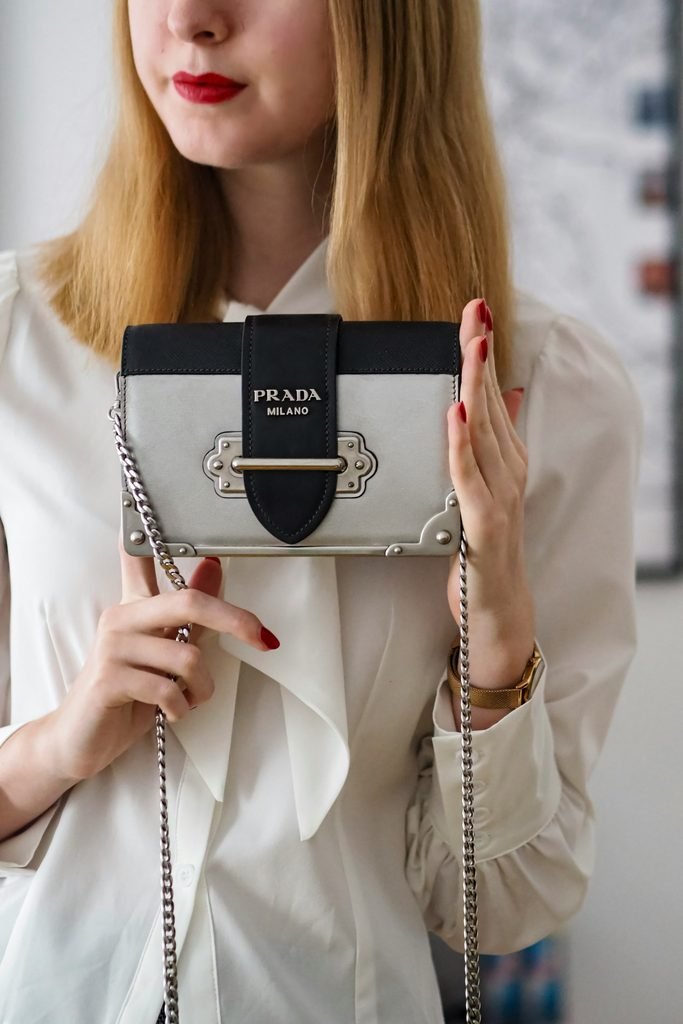
Trendy micro-bags and viral bag shapes come and go quickly, while classic silhouettes can stay in your wardrobe for decades.
If you’re spending a considerable amount on a designer bag, it’s worth choosing something you’ll still enjoy carrying years from now.
A good starting point is to look at versatile neutral colors that work with different outfits:
- Black
- Cognac or tan
- Taupe
- Chocolate brown
- Navy
These shades pair easily with most wardrobes, making it simpler to get regular use out of your bag.
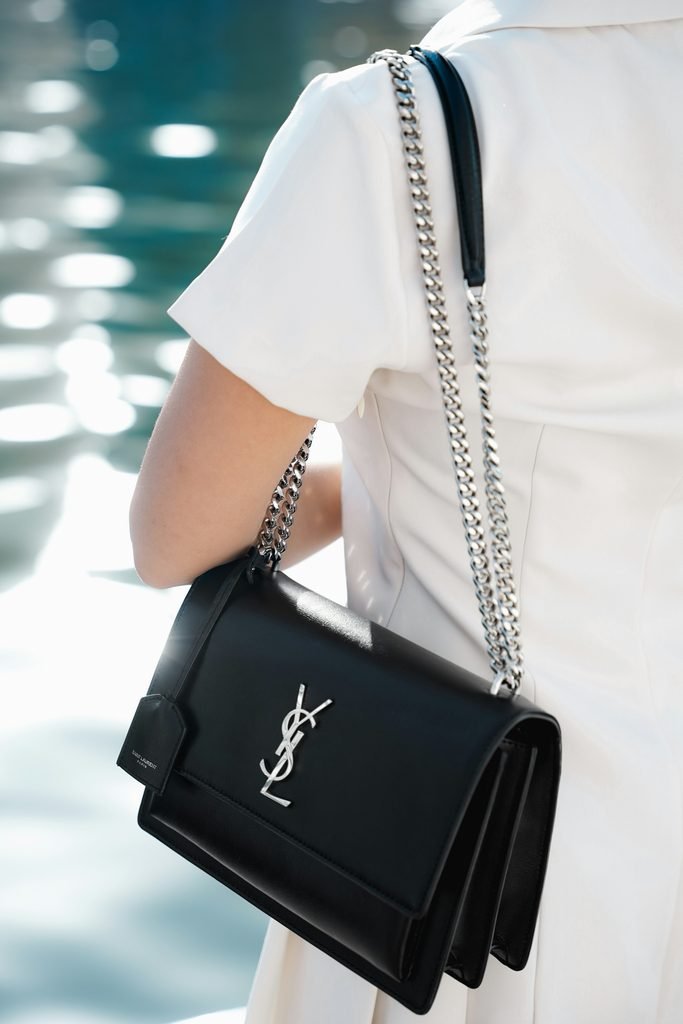
Think about the branding, too. Some women prefer quiet, understated designs with minimal hardware, while others love recognizable monograms and visible logos.
Neither choice is wrong. Go with what you’re comfortable carrying and what suits your personal style, work environment, and dress code.
Consider the cost per wear. A designer bag might seem expensive upfront, but how often you use it makes a difference. For example:
- A $2,500 bag worn 250 times costs $10 per wear.
- A $1,200 trendy bag worn five times costs $240 per wear.
The more expensive bag can actually be the better value if you use it regularly and enjoy carrying it.
How to Budget for a Designer Bag and Decide Where to Buy
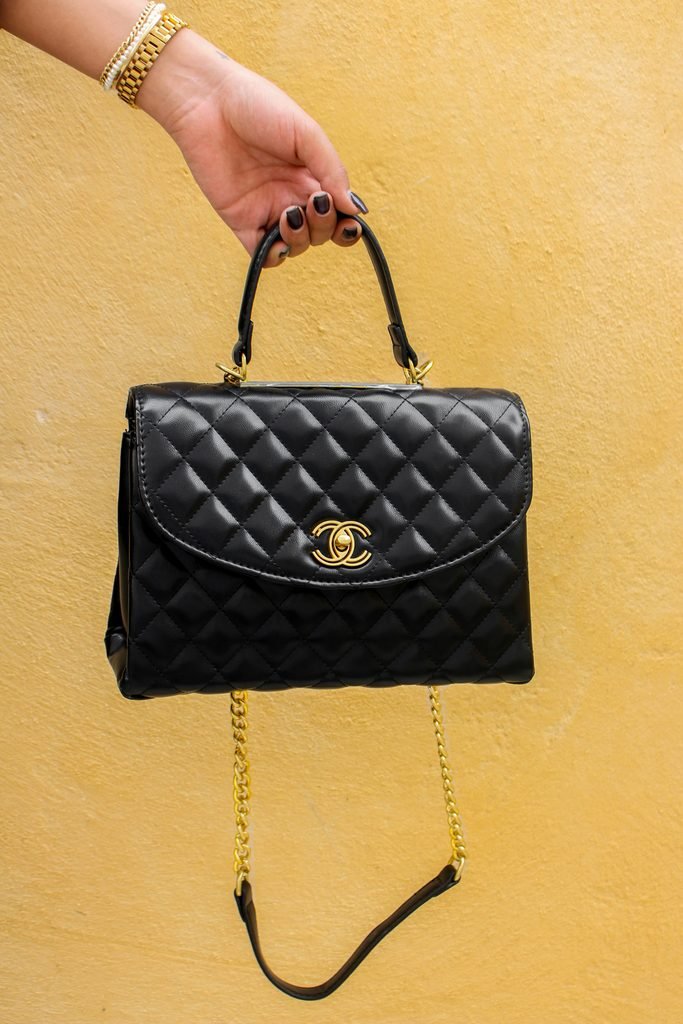
A smart designer bag purchase involves more than just the price on the tag.
You’ll also want to account for sales tax, care supplies, and the bag’s long-term value before deciding how much you’re comfortable spending.
Additional Costs to Consider When Buying a Designer Bag
In the U.S., sales tax can add 6% to 10% or more to the price, depending on your state.
Many luxury houses also raise their prices once or twice a year, so keep that in mind when planning your purchase.
Know The Difference Between Contemporary and Heritage Luxury Brands
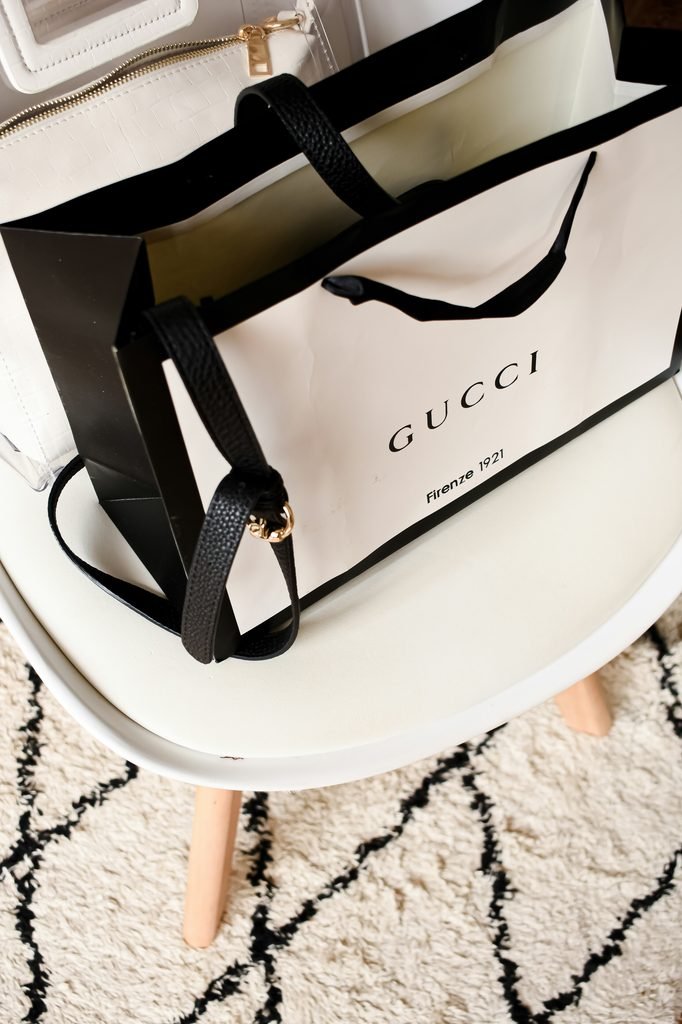
- Contemporary Designers: Coach, Tory Burch, Polène, and Strathberry offer quality leather bags at more accessible price points.
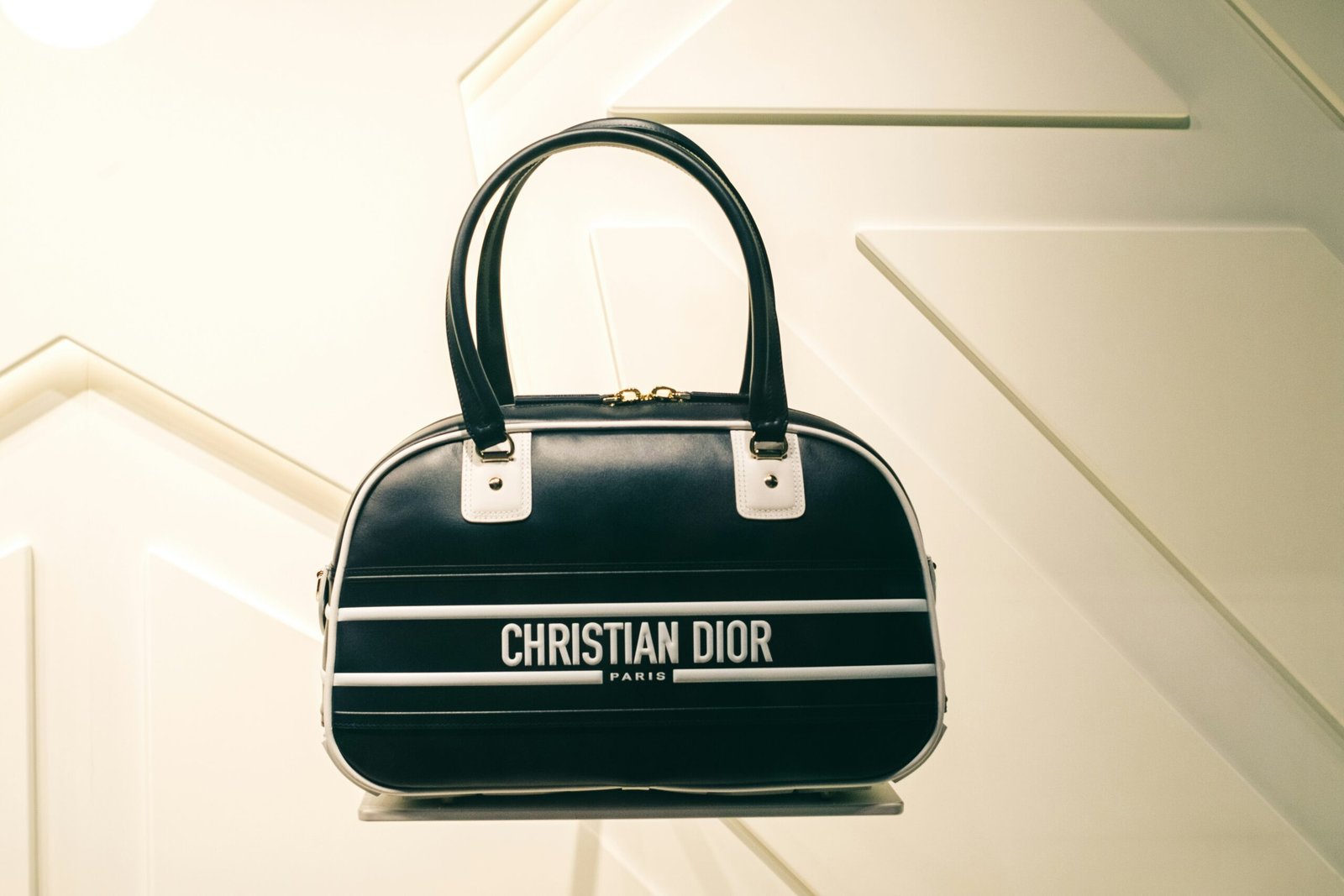
- Heritage Luxury Houses: Louis Vuitton, Chanel, Hermès, and Dior have higher entry prices and different resale dynamics.
Buying New vs. Pre-Owned Designer Bags
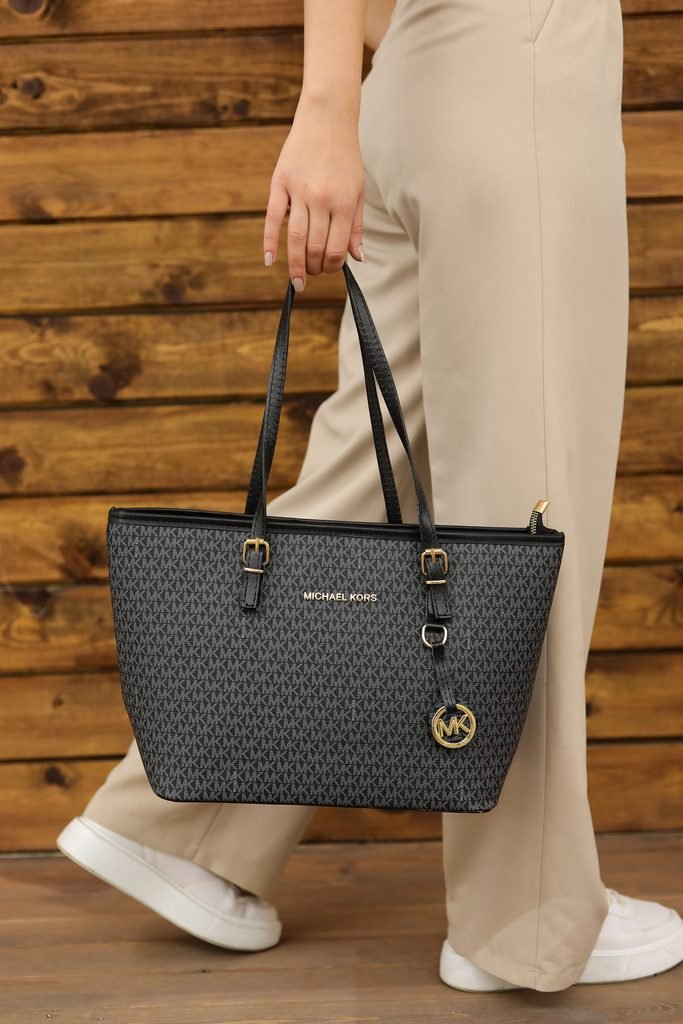
Both options have their advantages, depending on your budget and what you’re looking for.
- Buying New:
- Boutique shopping experience and customer service
- Full warranty and repair access
- Guaranteed authenticity
- Buying Pre-Owned:
- Access to discontinued styles
- Potential savings compared with retail prices
- More choices beyond what’s currently available in boutiques
If you’re buying pre-owned, stick to reputable resellers with strong authentication guarantees.
Pay very close attention to corner wear and interior odors, and check whether the original dust bag, box, or receipt is included.
Quick Checklist Before Buying a Designer Bag
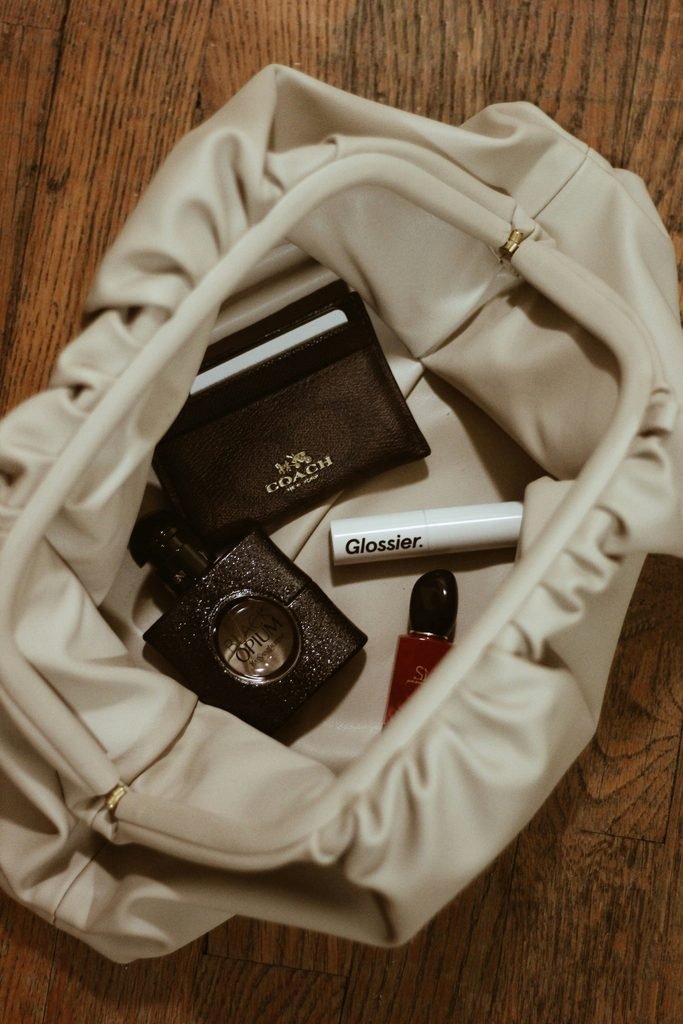
Before making your final decision, run through this quick checklist:
- Fits your daily essentials without bulging or straining the closure
- Durable material suited to your usage and the weather
- Comfortable to carry on your shoulder or arm
- Works with at least five outfits already in your closet
- A style you genuinely love, rather than one you’re buying because it’s trending
If you can answer yes to all five, you’ve likely found a designer bag you’ll get plenty of use out of.
Next Step: Build a Wardrobe That Works With Your Bag
Now that you’ve found a bag you love, it’s time to decide which outfits you’ll pair it with.
If you need a little help putting together a wardrobe you’ll actually wear, check out my guide on building a wardrobe that works for you.

WHAT’S YOUR STYLE?
Find your personal style without spending a single dollar.
If you enjoyed this guide, subscribe to my free newsletter for more recommendations, shopping tips, and fashion advice. I’ll send new guides and style inspiration straight to your inbox.
Leave a Little Love!
If this post helped you, you can support my work with a small tip.❤️